Turkey Giblet Gravy Recipe: Rich and Silky from Scratch
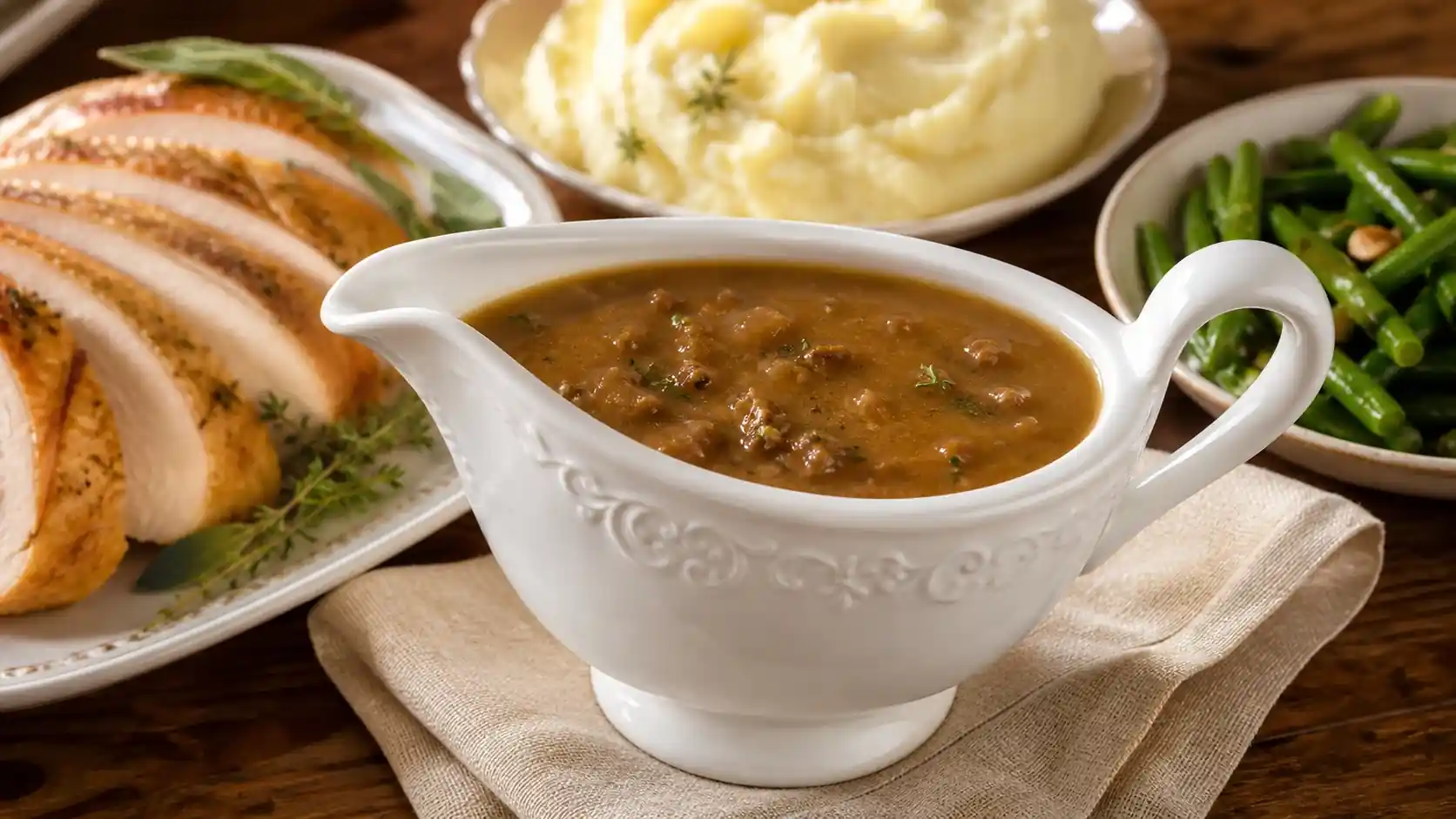
Make this turkey giblet gravy recipe with tender giblets, aromatic vegetables, and a smooth, savory pan-style sauce for your next comforting turkey dinner.
Prep
15 minutes
Cook
1 hour 5 minutes
Rest
0 minutes
Total
1 hour 20 minutes
Servings
4
Difficulty
Easy
Cut
Turkey giblets
Method
Simmered
Safe internal temperature
74°C / 165°F
Nutrition per serving
255 calories
- Protein
- 18g
- Fat
- 13g
- Carbs
- 17g
- Fiber
- 1g
- Sat. fat
- 6g
- Sugar
- 3g
- Sodium
- 660mg
Nutrition values are estimates based on the listed ingredients and serving size.
This turkey giblet gravy recipe turns the packet of neck, heart, gizzard, and liver into a savory, silky gravy worth passing around the table. Simmer the giblets with onion, celery, and herbs, then use that broth as the base for a simple butter-and-flour roux. The result is comforting, practical, and much more flavorful than a packet mix.
Use turkey giblets from a bird you have roasted, or buy them separately from a trusted butcher. This recipe makes enough gravy for four generous servings alongside sliced turkey, mashed potatoes, stuffing, or rice. The liver is optional: it adds a more pronounced flavor, so leave it out if your family prefers a milder gravy.
Why You’ll Love This Recipe
- It puts the whole giblet packet to work, so none of that flavor goes to waste.
- Simmering tenderizes the giblets while building the stock for the gravy.
- A simple roux makes the gravy smooth and glossy without canned soup or shortcuts.
- You can make it a day ahead, which helps when a large meal is on the schedule.
Turkey Giblet Gravy Recipe Information
| Detail | Amount |
|---|---|
| Prep time | 15 minutes |
| Cook time | 1 hour 5 minutes |
| Rest time | 0 minutes |
| Total time | 1 hour 20 minutes |
| Servings | 4 |
| Safe temperature for cooked turkey | 74°C / 165°F |
The giblets are fully cooked by simmering, not by a quick sear. If you are using a raw turkey neck or any raw turkey meat as part of the recipe, make sure it reaches 74°C / 165°F before serving. A gravy thermometer is not very useful once everything is finely chopped, so check the thickest piece of turkey while it is still whole.
Ingredients
- 1 pound turkey giblets (neck, heart, gizzard, and optional liver), rinsed
- 5 cups low-sodium turkey or chicken stock, divided
- 1 small yellow onion, roughly chopped
- 1 celery stalk, roughly chopped
- 1 bay leaf
- 4 sprigs fresh thyme, or 1 teaspoon dried thyme
- 3 tablespoons unsalted butter
- 1/3 cup all-purpose flour
- 1/2 teaspoon fine salt, plus more to taste
- 1/2 teaspoon black pepper
- 1 teaspoon Worcestershire-style sauce made without anchovies or alcohol (optional)
- 1 tablespoon finely chopped parsley, for finishing
Choose low-sodium stock so you can season the finished gravy to taste. If your turkey roasting pan has flavorful, well-seasoned drippings, replace up to 1 cup of the stock with strained drippings. Spoon off excess fat first to keep the gravy from becoming greasy.
Step-by-Step Instructions
1. Simmer the giblets
Place the turkey giblets, 4 cups stock, onion, celery, bay leaf, and thyme in a medium saucepan. Bring the liquid just to a boil over medium-high heat, then lower the heat until it barely bubbles. Partially cover and simmer for 45 to 50 minutes. The gizzard should be tender enough to chop easily, and the turkey should reach 74°C / 165°F.
If you include the liver, add it for only the final 15 minutes. It cooks quickly and can turn grainy if it simmers for the full time. Transfer all the giblets to a cutting board. Strain the cooking liquid into a heat-safe measuring jug; discard the vegetables and herbs. You should have about 3 1/2 to 4 cups of broth. Add enough of the remaining stock to make 4 cups.
2. Chop the cooked giblets
Remove the meat from the turkey neck, if using, and discard the bones. Finely chop the neck meat, heart, gizzard, and liver. Small, even pieces keep the gravy tender rather than chewy. Set the chopped giblets aside.
3. Build a smooth roux
Wipe out the saucepan and melt the butter over medium heat. Whisk in the flour until no dry pockets remain. Cook, whisking continuously, for 2 to 3 minutes. It should smell lightly toasty and turn pale golden, without browning deeply.
4. Whisk in the broth
Slowly stream in the warm giblet broth while whisking. Start with about 1 cup, whisking until completely smooth, then add the rest in two additions. Bring the gravy to a gentle simmer and cook for 8 to 10 minutes, whisking often, until it coats the back of a spoon.
5. Finish and season
Stir in the chopped giblets, salt, pepper, optional Worcestershire-style sauce, and parsley. Simmer for 2 to 3 minutes to warm the meat through. Taste before adding more salt. If the gravy is thicker than you like, whisk in stock a tablespoon at a time. Serve hot.
Tips for Best Results
Keep the heat moderate after you add the flour. A blonde roux thickens beautifully and keeps the flavor clean; an overly dark roux can make this delicate turkey gravy taste bitter. Warm broth also blends into the roux more easily, which helps prevent lumps.
For an exceptionally smooth texture, strain the gravy through a fine-mesh sieve before stirring in the chopped giblets. Leave it as is for a more rustic gravy. If you want more roast-turkey flavor, use strained pan drippings, but avoid burnt bits and very salty seasoning paste.
Do not leave gravy at room temperature for more than 2 hours. Transfer leftovers to shallow containers promptly so they cool quickly and safely.
Ingredient Substitutions
Chicken giblets work in place of turkey giblets when turkey is unavailable, and chicken stock is a fine replacement for turkey stock. For a gluten-free version, use a 1:1 gluten-free flour blend designed for thickening, or make a slurry with 3 tablespoons cornstarch and 3 tablespoons cold water. For the slurry method, skip the flour, simmer the broth first, then whisk in the slurry near the end.
Fresh sage can replace the thyme; use two small leaves, finely minced, because sage is stronger. If you skip the liver, add an extra 2 ounces of chopped cooked gizzard or neck meat if you have it. The gravy will be milder but still satisfying.
What to Serve With
This savory gravy belongs alongside sliced roast turkey and fluffy mashed potatoes. It is also good over stuffing, roasted carrots, green beans, or rice pilaf. The next day, spoon a little warm gravy over turkey before building a sandwich from these turkey sandwich recipes.
For more ideas featuring the same poultry, browse turkey recipes, try a cozy turkey rice soup recipe, or plan a centerpiece with wild turkey recipes.
Storage Instructions
Cool the gravy slightly, then refrigerate it in an airtight container within 2 hours. It keeps for up to 3 days. Label the container if you are preparing several dishes in advance. For longer storage, freeze small portions for up to 2 months, leaving a little headspace for expansion.
Thaw frozen gravy overnight in the refrigerator. Avoid thawing it on the counter, where the center may stay cold while the edges warm into the unsafe temperature range.
Reheating Instructions
Reheat refrigerated gravy in a small saucepan over low to medium-low heat, stirring frequently, until steaming hot throughout. Add a splash of stock or water if it thickened in the refrigerator. When possible, reheat only the portion you plan to serve.
If using a microwave, cover the gravy loosely and heat in 30-second intervals, stirring between each interval. Bring leftover gravy to 74°C / 165°F before serving, especially when it contains chopped turkey giblets.
Frequently Asked Questions
What are turkey giblets?
Turkey giblets are the edible organs and trimmings commonly packed inside a whole turkey: usually the neck, heart, gizzard, and liver. They add concentrated turkey flavor to broth, gravy, stuffing, and stock.
Can I make turkey giblet gravy recipe ahead?
Yes. Make the gravy up to 3 days ahead, cool it promptly, and refrigerate it. Reheat gently with a splash of stock before serving. Waiting to add the parsley until reheating keeps its color fresher.
Why is my gravy lumpy?
Lumps usually happen when cold liquid is added too quickly to a hot roux. Whisk steadily and add warm broth gradually. If lumps remain, pour the gravy through a fine-mesh sieve or blend it briefly with an immersion blender before adding the chopped giblets.
Can I leave out the liver?
Absolutely. The liver is optional and has the strongest flavor. Use the neck, heart, and gizzard alone for a gentler, classic turkey gravy.
Conclusion
This turkey giblet gravy recipe makes the most of ordinary ingredients and a straightforward technique. Simmer the giblets until tender, whisk the broth slowly into a light roux, and season at the end. You will have smooth, rich gravy ready for any turkey dinner.
Nutrition is an estimate per serving and will vary with the exact giblet mix, stock, and pan drippings used.
Keep cooking
You might also like
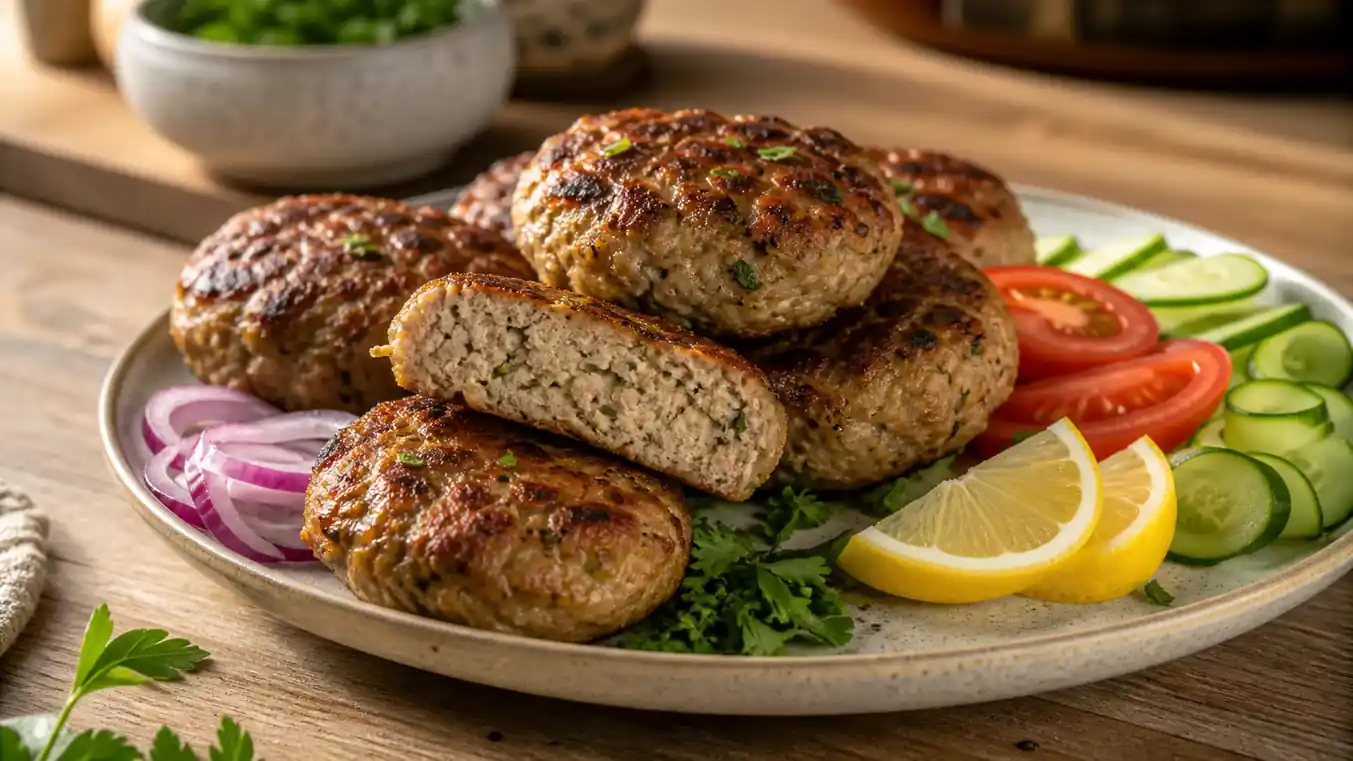
Easy Air Fryer Turkey Patties Recipe for Juicy Dinners
Make tender, flavorful air fryer turkey patties in 32 minutes with simple pantry seasonings, a crisp exterior, and juicy centers for easy family meals.
Turkey · Prep 15 minutes · Cook 12 minutes
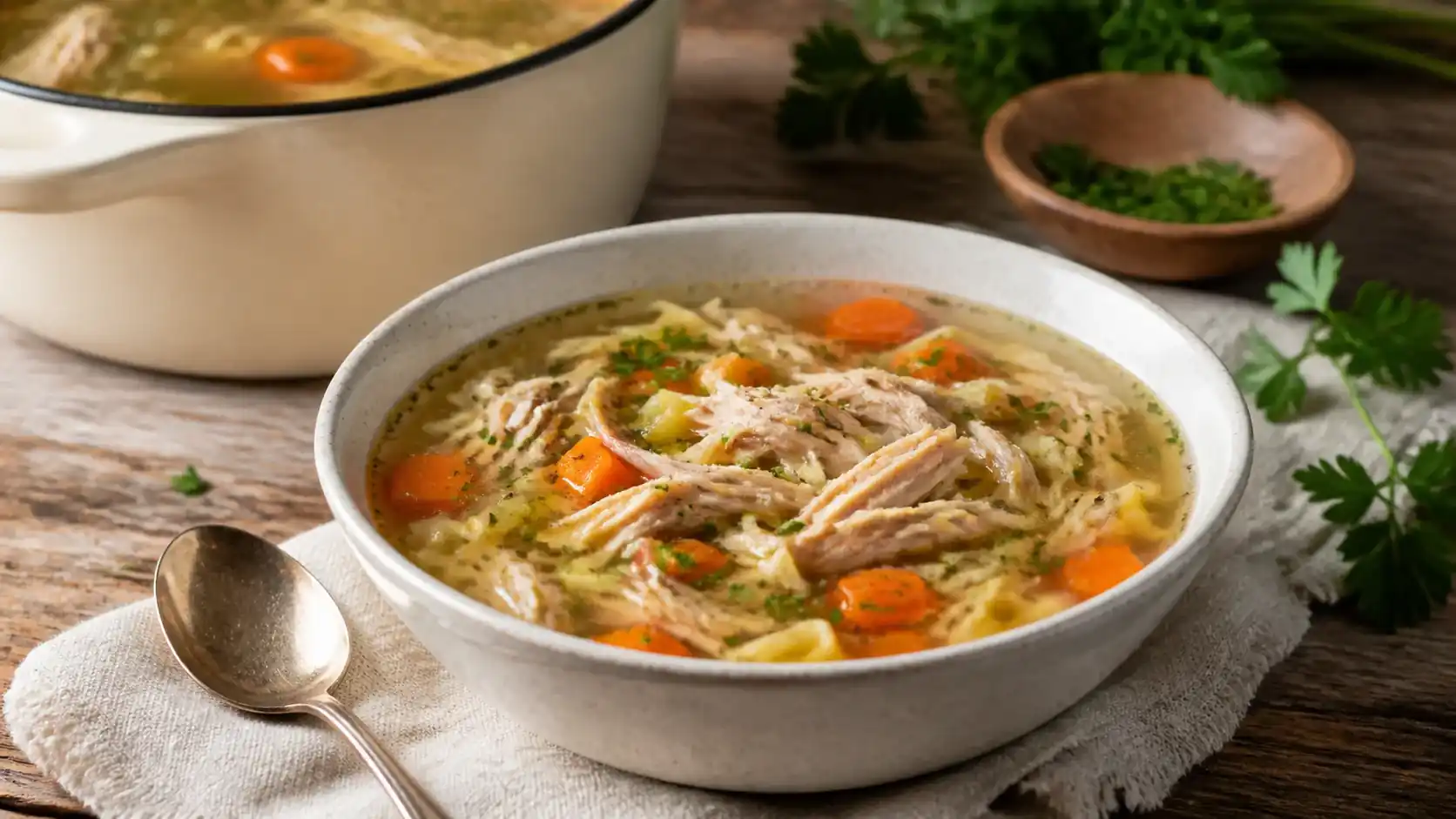
Turkey Soup Recipe From Bones (Rich Homemade Broth)
Make a rich turkey soup recipe from bones with tender leftover turkey, vegetables, egg noodles, and aromatic homemade broth in one comforting pot tonight.
Turkey · Prep 20 minutes · Cook 2 hours 15 minutes
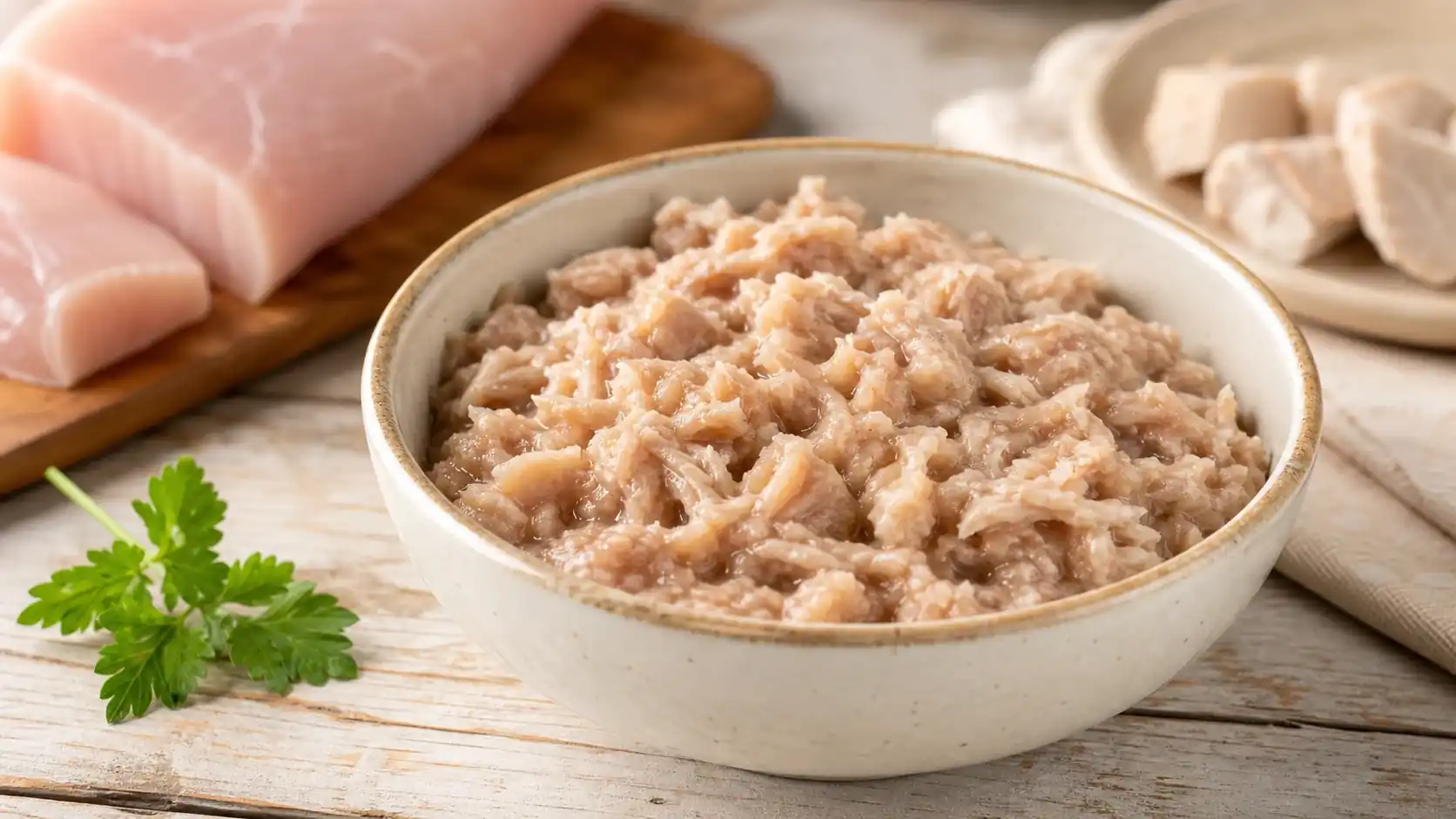
Blue Buffalo Wilderness Turkey Recipe Wet Cat Food
Make a simple blue buffalo wilderness turkey recipe wet cat food-inspired turkey mash with clear portions, storage steps, and safe handling notes today.
Turkey · Prep 10 minutes · Cook 20 minutes