Beef Short Ribs Recipe Oven: Tender Braised Ribs
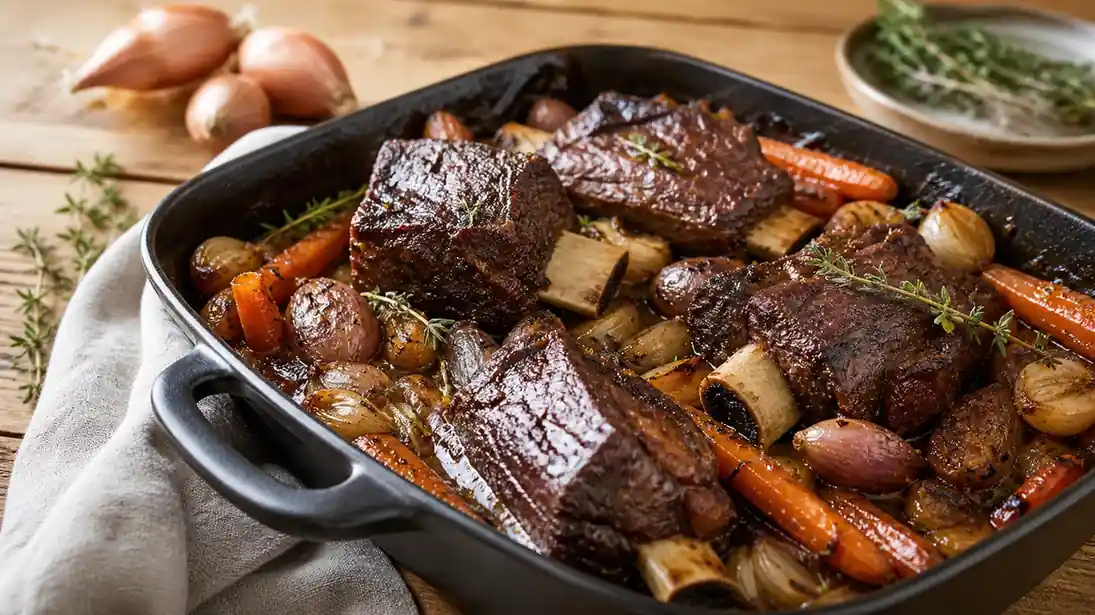
Make this beef short ribs recipe oven-style with tender, richly glazed ribs, roasted vegetables, and a savory broth for an easy, cozy, warming family dinner.
Prep
20 minutes
Cook
3 hours
Rest
15 minutes
Total
3 hours 35 minutes
Servings
4
Difficulty
Easy
Cut
Bone-in beef short ribs
Method
Oven braised
Safe internal temperature
93°C / 200°F
Nutrition per serving
620 calories
- Protein
- 42g
- Fat
- 42g
- Carbs
- 18g
- Fiber
- 4g
- Sat. fat
- 16g
- Sugar
- 8g
- Sodium
- 670mg
Nutrition values are estimates based on the listed ingredients and serving size.
This beef short ribs recipe oven method is all about turning a tough, meaty cut into a deeply savory dinner with surprisingly little hands-on work. Brown the ribs first, then let them braise in beef broth with onions, carrots, garlic, and herbs until a fork slides into the meat easily. The pan juices reduce into a glossy sauce that can go straight over the ribs—no separate gravy required.
Short ribs need time rather than fast, high heat. Their connective tissue softens during a gentle covered braise, which is why this recipe works well for a relaxed weekend meal or a dinner you can start early. Use a Dutch oven or another roasting dish with a tight-fitting cover for the most reliable results.
Why You'll Love This Recipe
- One pan handles the browning, braising, vegetables, and sauce.
- Beef broth, tomato paste, garlic, and herbs build rich flavor from familiar ingredients.
- The oven does most of the work while you prepare a side dish or set the table.
- The ribs reheat well, so leftovers are worth saving.
- Temperature and tenderness cues make a slow-cooked cut easier to judge.
Recipe Information
| Detail | Amount |
|---|---|
| Preparation time | 20 minutes |
| Cooking time | 3 hours |
| Resting time | 15 minutes |
| Total time | 3 hours 35 minutes |
| Servings | 4 |
| Internal temperature | 93°C / 200°F for tender braised short ribs |
The recipe metadata uses ISO 8601 durations: 20 minutes for preparation, 3 hours for cooking, 15 minutes for resting, and 3 hours 35 minutes overall. Beef short ribs often become tender around 93°C / 200°F as the collagen softens, but temperature is only one check. A fork that twists easily in the meat is the final test.
Ingredients
- 3 pounds (1.35 kg) bone-in beef short ribs, about 4 large pieces
- 1 1/2 teaspoons fine salt, divided
- 1 teaspoon black pepper, divided
- 1 tablespoon neutral oil
- 1 large yellow onion, cut into wedges
- 3 medium carrots, cut into 2-inch pieces
- 4 garlic cloves, smashed
- 2 tablespoons tomato paste
- 2 1/2 cups (600 ml) low-sodium beef broth
- 1 tablespoon Worcestershire-style sauce made without alcohol, optional
- 1 tablespoon balsamic-style vinegar or pomegranate molasses
- 4 sprigs fresh thyme
- 1 bay leaf
- 1 tablespoon cornstarch mixed with 2 tablespoons cold water, optional
- 2 tablespoons chopped parsley, for serving
Choose ribs with plenty of meat on the bones and some visible marbling. Trim away only hard exterior fat; the smaller seams will render as the ribs cook and help give the sauce body. Pat the ribs dry before seasoning so the surfaces brown instead of steaming.
Beef Short Ribs Recipe Oven Instructions
1. Heat the oven and season the ribs
Place a rack in the lower-middle position and heat the oven to 160°C / 325°F. Season the ribs all over with 1 teaspoon of the salt and 3/4 teaspoon of the pepper. They can sit while the oven heats, giving the seasoning a few minutes to settle onto the meat.
2. Brown the beef
Heat the oil in a heavy Dutch oven over medium-high heat. Add the ribs in a single layer, working in batches if needed. Brown them for 3 to 4 minutes per side, until they have a dark crust, then move them to a plate. Leave space between the ribs; a crowded pot traps moisture and prevents good browning.
3. Build the braising base
Reduce the heat to medium. Add the onion and carrots with the remaining 1/2 teaspoon salt and 1/4 teaspoon pepper. Cook for 5 minutes, stirring from time to time, until the vegetables begin to pick up the browned bits. Add the garlic and tomato paste and cook for 1 minute.
Pour in the broth, Worcestershire-style sauce if using, and vinegar or pomegranate molasses. Scrape the bottom of the pot thoroughly to loosen the flavorful bits.
4. Braise until tender
Return the ribs to the pot, bone-side down, along with any juices left on the plate. The liquid should reach about halfway up the meat; add a splash more broth if necessary. Tuck in the thyme and bay leaf, cover the pot tightly, and bake for 2 1/2 hours.
Turn the ribs over, cover again, and bake for another 20 to 40 minutes. They are ready when a fork twists easily in the meat and the center is near 93°C / 200°F. If the ribs still feel firm, keep braising and check them every 15 minutes. They need more time for the connective tissue to soften.
5. Rest and finish the sauce
Move the ribs and vegetables to a warm platter and loosely cover them for 15 minutes. Remove the thyme stems and bay leaf, then skim excess fat from the sauce. If you want a thicker sauce, bring it to a simmer on the stove, whisk in the cornstarch slurry, and cook for 1 to 2 minutes, until glossy. Spoon the sauce over the ribs and finish with parsley.
Tips for Best Results
Keep the pot tightly covered during the braise. A loose lid lets too much liquid escape and may dry the exposed parts of the meat. If the lid does not seal well, place a sheet of parchment under it or cover the dish firmly with foil.
Use fork tenderness as the main doneness cue. Short ribs can reach a high internal temperature before their connective tissue has fully relaxed. If the fork still meets resistance, return the covered pot to the oven and give the ribs more time.
When possible, make the dish a day ahead. Chilling the ribs in their sauce makes it easy to lift off the solidified fat, and an overnight rest in the refrigerator gives the flavors more time to come together.
Ingredient Substitutions
Beef chuck roast, cut into large 3-inch chunks, can replace the short ribs; start checking it about 30 minutes early. Parsnips or celery can replace some of the carrots. Date syrup works in place of pomegranate molasses for a slightly sweeter finish, or leave the molasses out and add an extra tablespoon of broth.
For a gluten-free meal, choose gluten-free beef broth and a gluten-free Worcestershire-style sauce. Cornstarch keeps the pan sauce gluten-free. Arrowroot can also work, but stir it in at the very end and avoid boiling the sauce hard.
What to Serve With
Serve the ribs over mashed potatoes, buttered rice, polenta, or couscous so the sauce has something to soak into. A crisp green salad, steamed green beans, or roasted broccoli balances the richness of the beef.
For another satisfying main, browse more beef recipes. Try garlic butter steak bites for a faster beef dinner, beef stew recipe stove top for another cozy braise, or turkey rice soup for a lighter next-day meal.
Storage Instructions
Cool the ribs and sauce in shallow containers within 2 hours of cooking. Refrigerate for up to 4 days, keeping each rib covered with some sauce to protect the meat from drying out. For longer storage, freeze the cooled ribs and sauce in airtight containers for up to 3 months.
Thaw frozen short ribs overnight in the refrigerator. Avoid thawing them at room temperature, where the outside can enter the food-safety danger zone before the center has thawed.
Reheating Instructions
Reheat the short ribs with their sauce in a covered baking dish at 160°C / 325°F until hot throughout, about 20 to 30 minutes from chilled. Add a few tablespoons of broth if the sauce has become too thick. Reheat leftovers to 74°C / 165°F before serving.
For a smaller portion, use a covered skillet over low heat. Turn the ribs once and spoon sauce over them as they warm. The microwave works in short, covered intervals at medium power, but gentle oven or stovetop heat gives the best texture.
Frequently Asked Questions
Can I make this beef short ribs recipe oven-style without a Dutch oven?
Yes. Brown the meat in a skillet, then transfer it and the braising liquid to a deep roasting dish. Cover the dish tightly with foil before putting it in the oven. Check once during cooking to make sure there is still enough liquid in the pan.
Why are my short ribs still tough?
They need more time. Toughness after a long cook usually means the collagen has not fully softened yet. Keep the ribs covered and return them to the oven in 15-minute intervals until a fork slides in easily.
Should the ribs be fully submerged?
No. The liquid should reach roughly halfway up the sides. Covered braising creates steam while the exposed top develops a rich glaze. Turning the ribs midway lets both sides benefit from the sauce.
Can I skip browning the meat?
You can, but browning gives the finished beef short ribs recipe oven dish deeper roasted flavor and better color. If you skip that step, add the ribs directly to the braising liquid and expect a lighter-tasting sauce.
Conclusion
This beef short ribs recipe oven technique makes a generous dinner from a hardworking cut. Brown the ribs, braise them slowly under a tight cover, and wait for true fork tenderness before serving. Add the soft carrots, spoon over the savory sauce, and serve with a simple starch for a meal that feels special without requiring much active cooking.
Keep cooking
You might also like
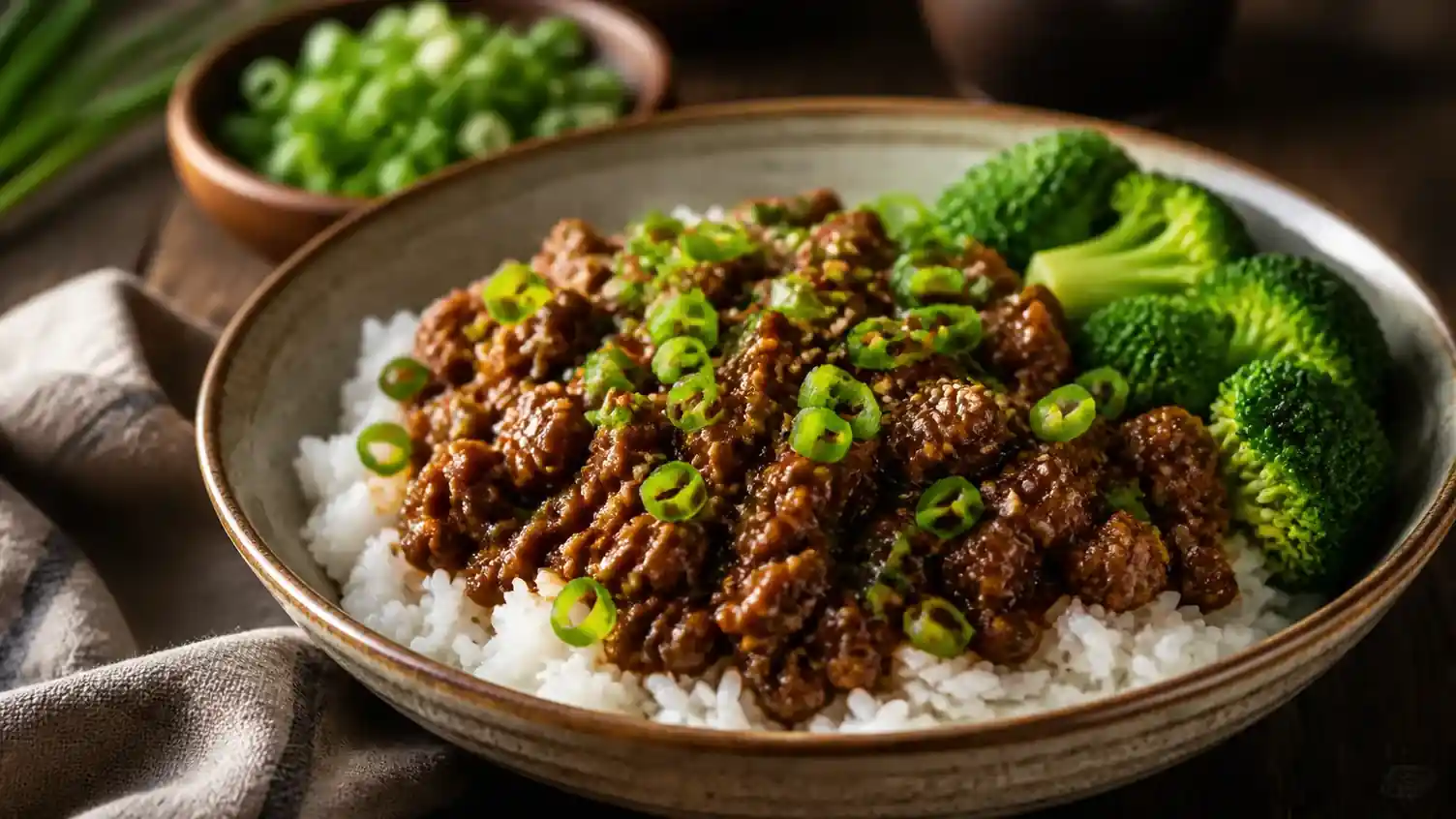
Mongolian Ground Beef Recipe for a Fast Weeknight Bowl
This Mongolian ground beef recipe makes a savory, sweet ginger-garlic beef bowl in 40 minutes, with steamed rice and crisp broccoli for dinner.
Beef · Prep 15 minutes · Cook 20 minutes
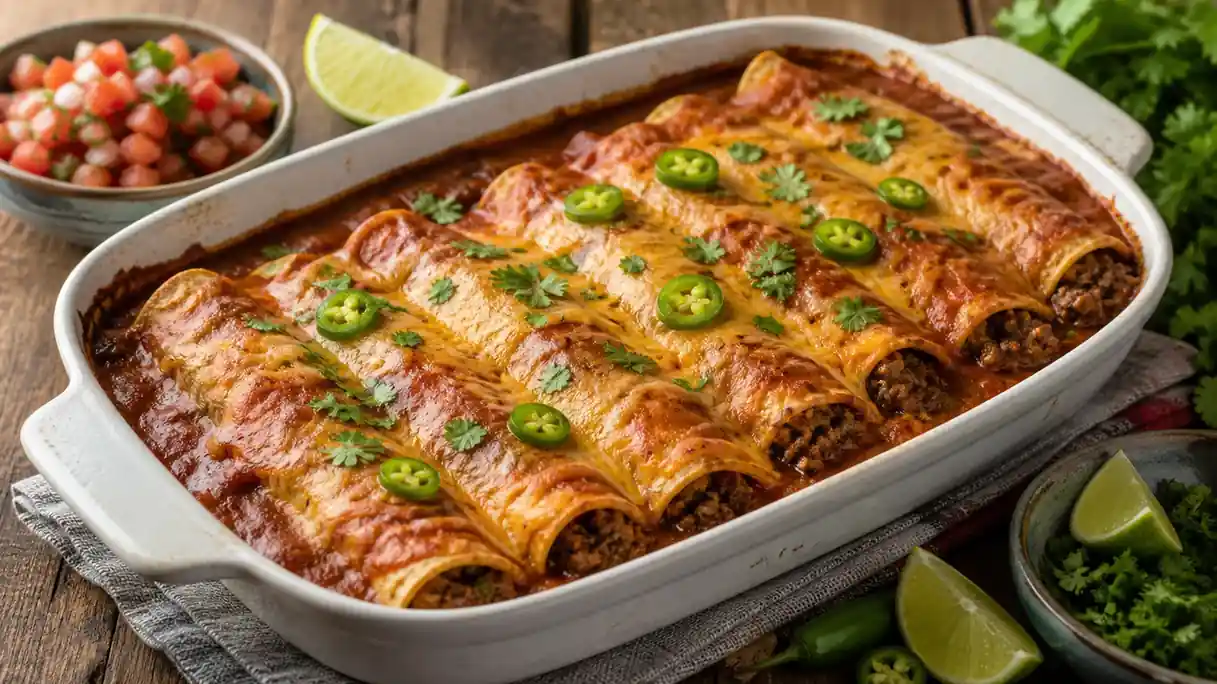
Easy Recipe for Beef Enchiladas with Ground Beef Dinner
Make this recipe for beef enchiladas with ground beef, red sauce, and melted cheese for an easy, comforting oven-baked dinner the whole family will love.
Beef · Prep 15 minutes · Cook 25 minutes

Keto Beef Mince Recipes: Cheesy Zucchini Skillet
Make one of the easiest keto beef mince recipes with seasoned ground beef, zucchini, red pepper, and melted cheddar in a quick low-carb skillet dinner.
Beef · Prep 15 minutes · Cook 20 minutes