Blue Buffalo Wilderness Turkey Recipe Wet Cat Food
Make a simple blue buffalo wilderness turkey recipe wet cat food-inspired turkey mash with clear portions, storage steps, and safe handling notes today.
Prep
10 minutes
Cook
20 minutes
Rest
10 minutes
Total
40 minutes
Servings
8
Difficulty
Easy
Cut
Ground turkey
Method
Gently simmered
Safe internal temperature
74°C / 165°F
Nutrition per serving
196 calories
- Protein
- 30g
- Fat
- 7g
- Carbs
- 2g
- Fiber
- 0g
- Sat. fat
- 2g
- Sugar
- 0g
- Sodium
- 74mg
Nutrition values are estimates based on the listed ingredients and serving size.
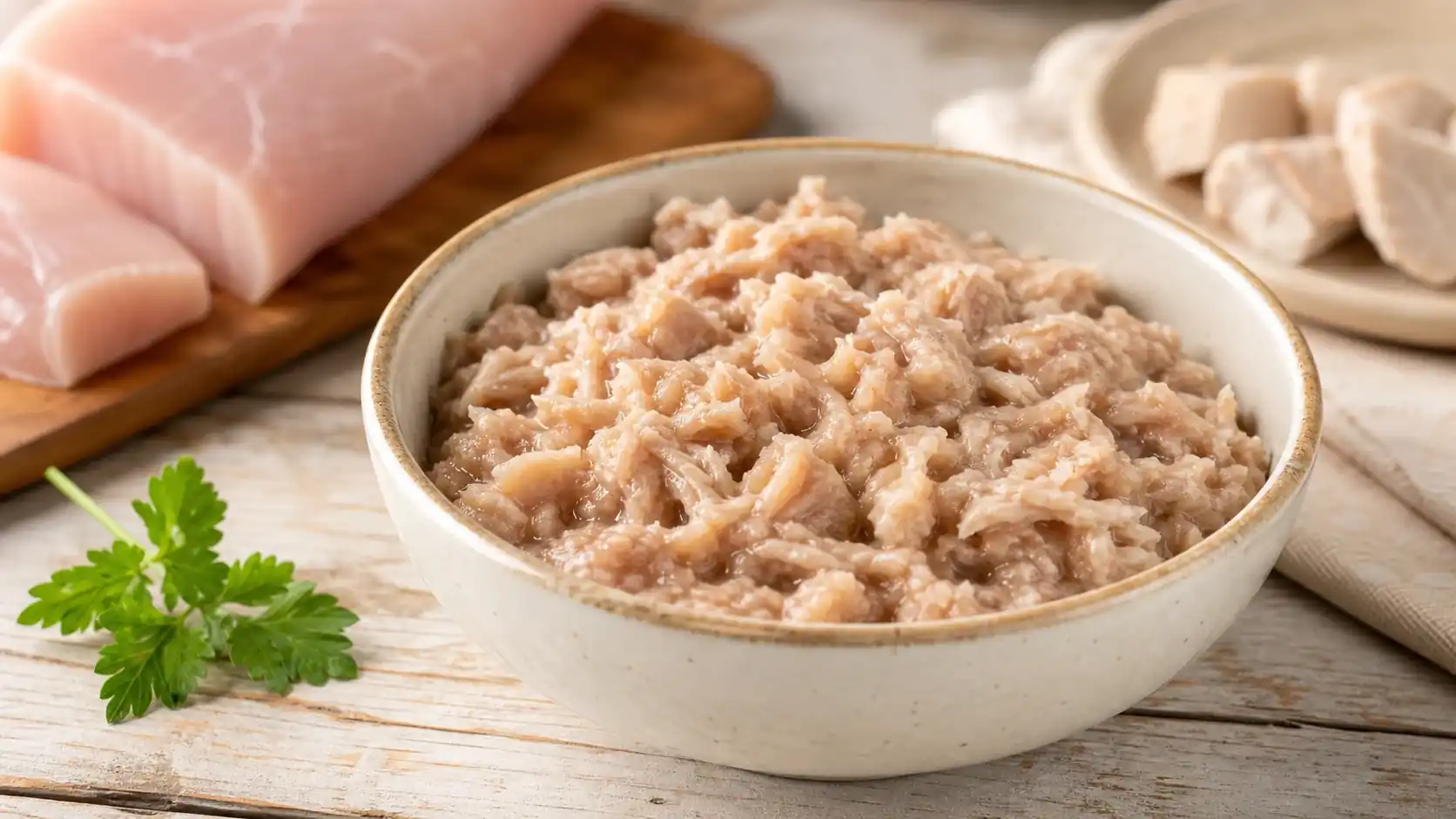
Looking for a blue buffalo wilderness turkey recipe wet cat food alternative? This homemade-style turkey mash is a plain, unseasoned option for occasional feeding. It uses ground turkey, unsalted turkey stock or water, and enough extra water to create a soft, moist texture. There is no need for the onion, garlic, salt, sauce, or herbs that would usually finish a turkey dish for people.
Treat this as supplemental food, not a nutritionally complete replacement for commercial cat food or a home diet formulated by a veterinary professional. Keep your cat’s regular complete food as the nutritional foundation, and talk with a veterinarian or veterinary nutritionist before serving homemade food routinely. This recipe works best as a small topper, an occasional portion, or a simple way to use freshly cooked turkey with clear storage rules.
Why You'll Love This Recipe
- It has a short ingredient list with no added salt, seasoning, onion, or garlic.
- Gentle simmering keeps the turkey moist and easy to mash.
- A blender or fork lets you choose a chunky or smooth wet-food texture.
- The portions freeze well, so you can thaw only what you need.
- The method gives you control over the meat and liquid without copying a branded formula.
Blue Buffalo Wilderness Turkey Recipe Wet Cat Food Information
| Detail | Amount |
|---|---|
| Preparation time | 10 minutes |
| Cooking time | 20 minutes |
| Resting and cooling time | 10 minutes |
| Total time | 40 minutes |
| Yield | 8 small supplemental portions |
| Safe internal temperature | 74°C / 165°F |
The nutrition values in the frontmatter are estimates per portion, based on 2 pounds (900 g) of 93% lean ground turkey and the listed yield. Water and unseasoned stock add moisture but very few calories. The right portion depends on your cat’s size, age, health, usual diet, and why you are serving it, so use this as a topper unless a veterinary professional gives you a complete feeding plan.
Ingredients
- 2 pounds (900 g) ground turkey, preferably 93% lean
- 1 cup (240 ml) plain unsalted turkey stock or water
- 1/2 cup (120 ml) water, plus more as needed for blending
- 1 hard-cooked egg yolk, optional for a softer mash
Important ingredient notes
Read the labels on both the turkey and stock. Choose plain turkey with no brine, flavoring, seasoning, smoke flavor, onion powder, garlic powder, or added salt. “Low sodium” stock can still contain ingredients that do not belong in this recipe, so use plain water if you are unsure.
The egg yolk is optional. It makes the mash a little richer and silkier, but the recipe works without it. Do not add butter, milk, cream, cheese, broth cubes, bouillon, pepper, parsley, or other kitchen seasonings. Keep raw turkey away from foods that will be eaten without cooking, and wash your hands and tools after handling it.
Step-by-Step Instructions
1. Set up a clean cooking area
Wash your hands, clean the work surface, and gather a large skillet or saucepan, a heat-safe spoon, and a potato masher, food processor, or blender. Measure the stock or water before opening the turkey. That keeps the raw-meat prep quick and reduces the need to touch cupboard handles afterward.
Put the ground turkey in the cold skillet or saucepan and break it into a few large pieces with a wooden spoon. Add the 1 cup of unsalted stock or water. Starting in a cool pan helps the turkey cook gently in its own juices instead of browning too hard or sticking.
2. Gently simmer the turkey
Set the pan over medium heat. Once the liquid begins to steam, break the turkey into small crumbles. Cook for 12 to 15 minutes, stirring often, until no pink pieces remain. The mixture should stay moist, so lower the heat if the liquid starts bubbling aggressively.
Check the center of the largest pieces with an instant-read thermometer. The turkey must reach 74°C / 165°F. In a moist mixture, temperature is more dependable than color. Remove the pan from the heat once it reaches the target, and do not taste the turkey while it is raw or undercooked.
3. Make the wet-food texture
Let the cooked turkey cool for about 5 minutes, then stir in the remaining 1/2 cup water. For a chunky texture, mash it in the pan until the crumbles are small and evenly moistened. For a softer texture, transfer the turkey and liquid to a food processor or blender with the optional egg yolk.
Pulse in short bursts, scraping down the sides as needed. If the mash seems stiff, add water one tablespoon at a time. Stop when it is soft and spoonable—cohesive, but not dry or pasty. Let it cool until only slightly warm before portioning.
4. Portion and cool promptly
Divide the mash among eight small containers or freezer-safe silicone portions. Leave the lids off for a few minutes so steam can escape, then cover and refrigerate. Do not leave cooked turkey at room temperature for more than 2 hours. Serve a small amount at room temperature or barely warmed, never hot.
Tips for Best Results
Use ground turkey with a modest amount of fat. Very lean turkey can produce a dry mash, while very fatty turkey may be too rich for some cats. The added water provides the wet-food consistency, so add it gradually until the mixture is easy to scoop.
Let the turkey cool slightly before blending. Hot food can build pressure in a sealed blender, and a few short pulses are all you need. If you would rather skip the blender, a potato masher makes a good homemade texture with less cleanup.
Introduce any new food slowly. Even simple ingredients can upset a cat’s digestion when the change is sudden. Start with a teaspoon mixed into the cat’s usual complete food, watch how your cat responds, and keep the serving modest.
Ingredient Substitutions
Plain boneless, skinless turkey thigh meat can replace the ground turkey. Poach it in water until it reaches 74°C / 165°F, cool it slightly, then shred or blend it with its cooking liquid. Turkey breast also works, though its lower fat content usually means it needs a little extra water to stay soft.
Use water instead of stock whenever you are unsure about the stock ingredients. Avoid typical human chicken broth, which often contains salt, onion, garlic, or other flavorings. Omit the egg yolk if your cat does not tolerate egg or you want the shortest possible ingredient list.
For more turkey ideas for the people at your table, browse turkey recipes, try turkey meatballs, or plan turkey rice soup. Keep those seasoned human recipes separate from this plain cat-food preparation.
What to Serve With
Serve this blue buffalo wilderness turkey recipe wet cat food-inspired mash as a small topper alongside your cat’s usual complete food. It does not need a garnish, side dish, or sauce. Fresh drinking water should always be available.
If you are making turkey for a family dinner, portion the unseasoned cat mash first and season the human portion separately. That simple order prevents onion, garlic, salt, or rich sauces from accidentally ending up in the cat’s food.
Storage Instructions
Refrigerate cooled portions in airtight containers for up to 3 days. Mark each container with the preparation date, and keep it on a refrigerator shelf rather than in the door, where the temperature changes more often.
For longer storage, freeze individual portions for up to 2 months. A silicone tray makes small portions easy to remove; once frozen, transfer them to a sealed freezer container or bag to limit freezer burn. Discard anything with an off smell, visible mold, or a history of being left out too long.
Reheating Instructions
Thaw a frozen portion overnight in the refrigerator. Warm it gently in a microwave-safe dish in 5- to 10-second intervals, stirring between intervals, until it is no longer chilled. You can also place the sealed container in a bowl of warm water for a few minutes.
Test the temperature with a clean spoon before serving. The mash should be at room temperature or only slightly warm. Do not serve it hot or repeatedly warm and chill the same portion. Discard anything left in the serving bowl after 1 hour instead of returning it to the refrigerator.
Frequently Asked Questions
Is this the same as Blue Buffalo Wilderness Turkey Recipe Wet Cat Food?
No. This is an unbranded, homemade-style turkey mash written for the search topic blue buffalo wilderness turkey recipe wet cat food. It is not a copy of a commercial formula, is not affiliated with Blue Buffalo, and should not be treated as nutritionally equivalent to a complete commercial food.
Can this be my cat's everyday food?
Not unless a veterinary nutrition professional has specifically balanced the recipe. Plain meat is not a complete long-term cat diet. Use this as an occasional topper or supplemental food while your cat’s regular complete diet remains the main source of nutrition, unless your veterinarian advises otherwise.
Can I use raw turkey?
This recipe is written for cooked turkey. Cooking to 74°C / 165°F reduces the risks associated with raw poultry and makes the texture easy to mash. Do not feed the mixture until it is fully cooked and cooled to a suitable serving temperature.
Why can’t I add seasoning?
Many common seasonings and flavor bases are not appropriate for cats, and salt is unnecessary here. Plain turkey and water provide the intended moist texture without adding extra ingredients. Make the cat portion first, then season a separate human meal if desired.
Conclusion
This blue buffalo wilderness turkey recipe wet cat food-inspired mash comes down to four things: plain turkey, gentle cooking, enough moisture, and careful chilling. It makes a practical occasional topper when you want to prepare an unseasoned turkey portion at home. For everyday nutrition, keep your cat’s established balanced food in place and get professional guidance before turning any homemade recipe into a regular replacement.
Keep cooking
You might also like
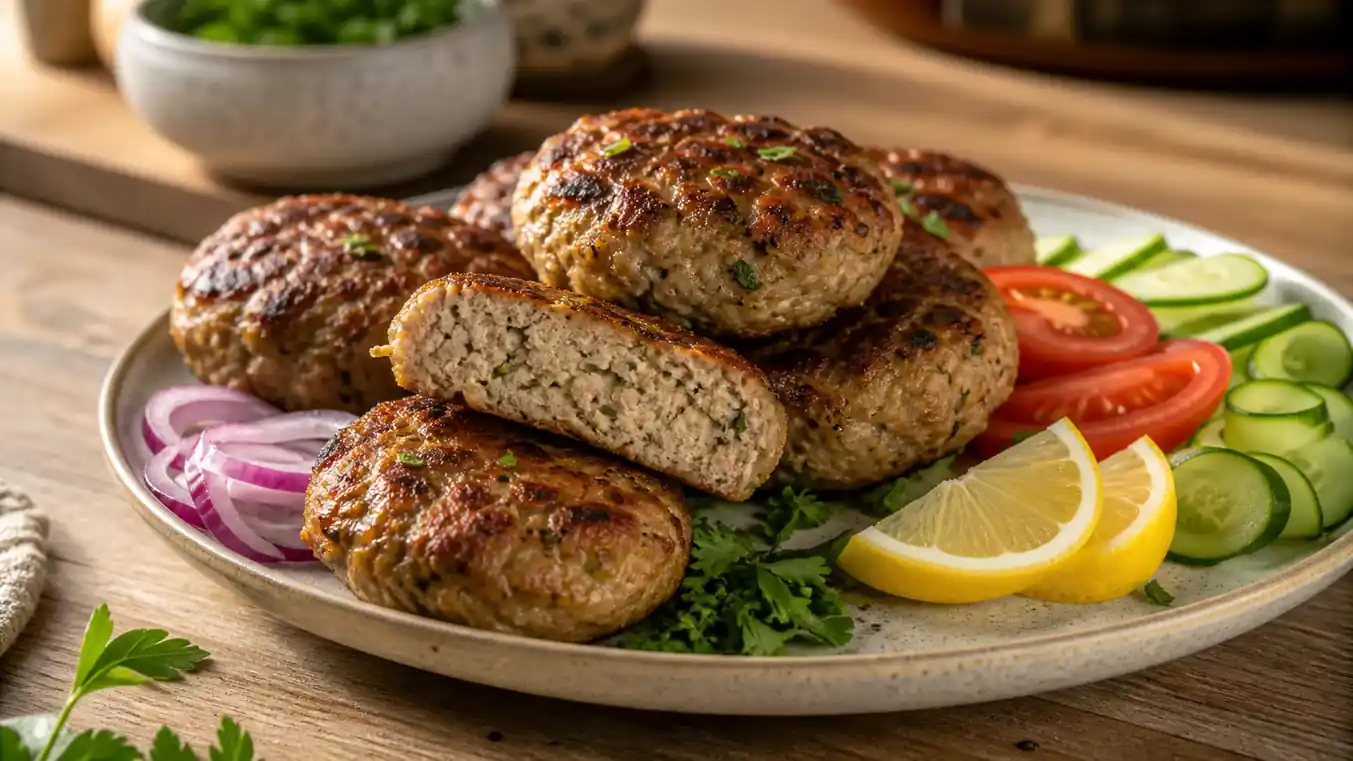
Easy Air Fryer Turkey Patties Recipe for Juicy Dinners
Make tender, flavorful air fryer turkey patties in 32 minutes with simple pantry seasonings, a crisp exterior, and juicy centers for easy family meals.
Turkey · Prep 15 minutes · Cook 12 minutes
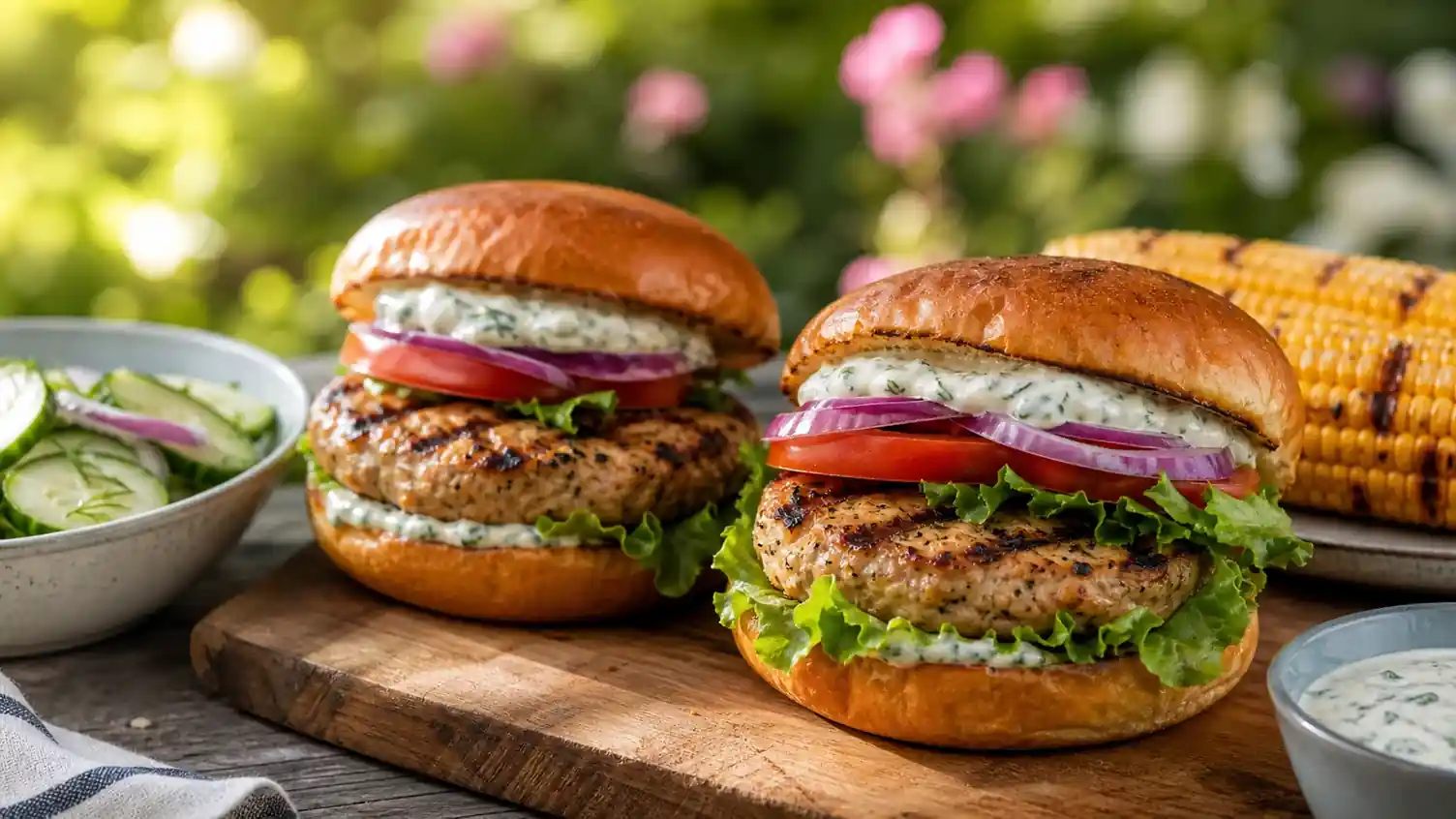
Easy Turkey Burger Recipe Grill: Juicy and Flavorful
This easy turkey burger recipe grill guide makes juicy, flavorful burgers with a simple herb mixture, reliable temperature tips, and bright fresh toppings.
Turkey · Prep 20 minutes · Cook 12 minutes
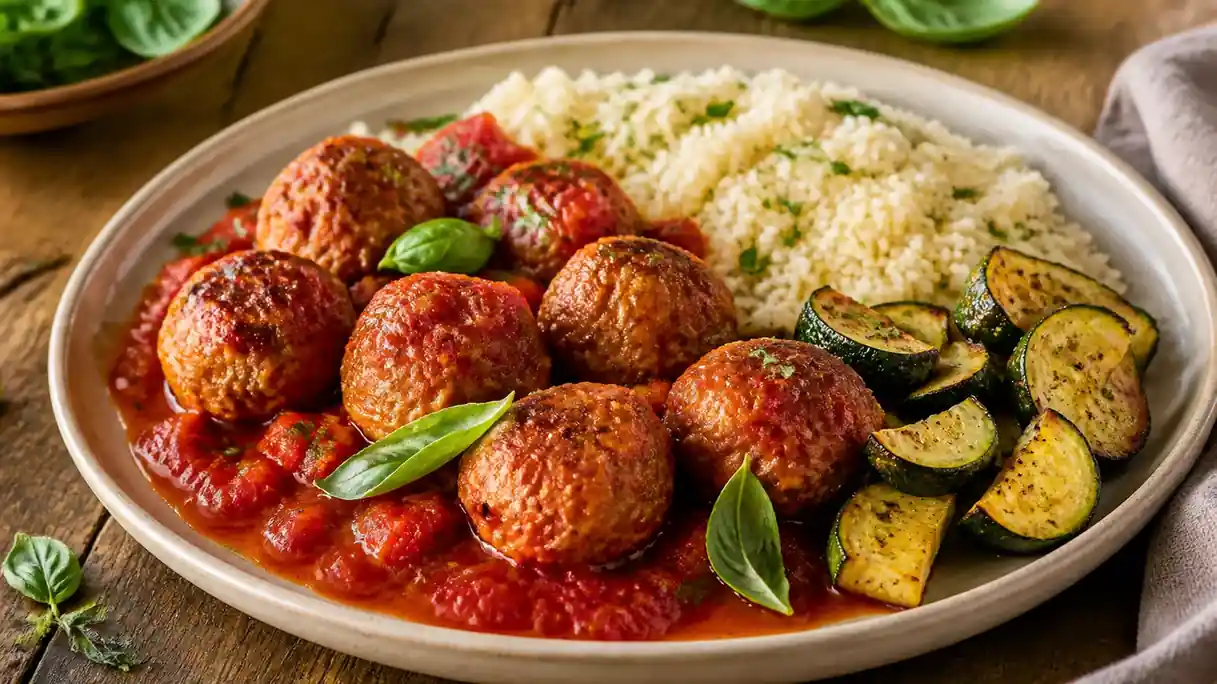
Easy Ground Turkey Meatball Recipe with Tomato Sauce
Make this easy ground turkey meatball recipe with tender oven-baked meatballs, bright tomato sauce, and pantry ingredients for a satisfying family dinner.
Turkey · Prep 20 minutes · Cook 25 minutes