Split Lamb Breast Plate Recipe (Tender Oven Roast)
Make this split lamb breast plate recipe with a crisp herb crust and tender, juicy meat. Easy oven-roasted lamb with garlic, lemon, and rosemary potatoes.

Prep
20 minutes
Cook
2 hours
Rest
10 minutes
Total
2 hours 30 minutes
Servings
4
Difficulty
Easy
Cut
Split lamb breast plate
Method
Oven roasted
Safe internal temperature
71°C / 160°F
Nutrition per serving
680 calories
- Protein
- 38g
- Fat
- 53g
- Carbs
- 18g
- Fiber
- 3g
- Sat. fat
- 19g
- Sugar
- 3g
- Sodium
- 680mg
Nutrition values are estimates based on the listed ingredients and serving size.
This split lamb breast plate recipe turns an affordable, richly flavored cut into a comforting oven roast with tender meat, crisp edges, and plenty of garlic-rosemary aroma. The breast plate has more connective tissue and fat than chops, so a gentle covered roast is the key to succulent results. Finish it uncovered at a higher temperature and it develops the deeply browned crust that makes the dish feel special without requiring complicated technique.
Serve it with the roasted potatoes from the pan, a bright salad, or warm flatbread to catch the savory juices. Plan for a little hands-off oven time: the preparation itself is quick, and the rest of the recipe is mostly waiting for the lamb to become fork-tender.
Why You'll Love This Recipe
- It makes a flavorful lamb cut feel straightforward enough for a relaxed weekend dinner.
- Garlic, rosemary, lemon, and warm spices complement lamb without masking its character.
- The covered-then-uncovered method gives you tender meat and a crisp, browned exterior.
- Potatoes roast in the same pan, absorbing the seasoned drippings for an easy side.
- The leftovers reheat well for wraps, grain bowls, or salads.
Recipe Information
| Detail | Amount |
|---|---|
| Preparation time | 20 minutes |
| Cooking time | 2 hours |
| Resting time | 10 minutes |
| Total time | 2 hours 30 minutes |
| Servings | 4 |
| Internal temperature | 71°C / 160°F |
The reader-friendly times above equal ISO 8601 durations of 20 minutes for preparation, 2 hours for cooking, 10 minutes for resting, and 2 hours 30 minutes in total. The temperature is a helpful doneness checkpoint, but for this collagen-rich cut, tenderness matters too: a thin skewer should slide into the thickest sections with little resistance.
Ingredients
For the lamb and potatoes, you will need:
- 1.6 kg / 3 1/2 lb split lamb breast plate, bone-in or boneless
- 2 tablespoons olive oil
- 5 garlic cloves, finely grated or minced
- 1 tablespoon finely chopped fresh rosemary
- 1 teaspoon ground cumin
- 1 teaspoon sweet paprika
- 1 1/2 teaspoons kosher salt
- 3/4 teaspoon freshly ground black pepper
- 1 lemon, zest finely grated and half juiced
- 180 ml / 3/4 cup low-sodium chicken or lamb stock
- 700 g / 1 1/2 lb baby potatoes, halved if large
- 1 small red onion, cut into thick wedges
- 1 tablespoon olive oil for the vegetables
- 1 extra rosemary sprig and lemon wedges, for serving
Choose lamb breast from a trusted butcher and ask for the plate to be split if it is sold as one broad piece. A bone-in plate has especially full flavor; boneless breast works too and may cook a little faster. Trim only loose, thick flaps of surface fat. A moderate fat layer protects the meat and bastes it as it roasts.
Step-by-Step Instructions
1. Heat the oven and season the lamb
Set the oven to 160°C / 325°F. Pat the lamb dry with paper towels and place it fat-side up in a deep roasting pan. In a small bowl, combine the 2 tablespoons olive oil, garlic, chopped rosemary, cumin, paprika, salt, pepper, lemon zest, and lemon juice. Rub this mixture all over the lamb, working some into any folds in the meat. Let it stand while you prepare the vegetables.
2. Build the roasting pan
Toss the potatoes and red onion with the remaining tablespoon of olive oil and a small pinch of salt. Scatter them around the lamb rather than piling them underneath it. Pour the stock into the pan at the side so it does not wash the seasoning off the meat. The liquid creates a gentle, moist environment during the first part of the cook.
3. Roast gently until tender
Cover the pan tightly with foil and roast for 1 hour 35 minutes. Check that the liquid is softly bubbling, then turn the potatoes and spoon a little pan juice over the lamb. Cover again and continue roasting for 15 to 20 minutes, until the thickest section reads at least 71°C / 160°F and feels noticeably tender when pierced. If the meat still feels firm, give it another 15 minutes covered; breast plate benefits from patient cooking.
4. Brown the split lamb breast plate
Remove the foil and increase the oven to 220°C / 425°F. Roast uncovered for 15 to 20 minutes, turning the potatoes once if needed, until the surface is browned and the fat is lightly crisp. Watch closely near the end: garlic can darken quickly. If one edge is coloring faster than the rest, rotate the pan rather than lowering the heat.
5. Rest, slice, and serve
Transfer the lamb to a board and loosely cover it with foil for 10 minutes. Resting lets the juices settle back into the meat, so the slices stay moist. Cut between the bones when present, or slice boneless breast across the grain. Spoon the potatoes, onion, and a little pan juice onto a platter, then finish with rosemary and lemon wedges.
Tips for Best Results
Keep the roasting pan tightly covered during the low-temperature stage. Escaping steam can dry the pan and slow the tenderizing process. If the stock evaporates before the lamb is tender, add a splash of hot water or stock and reseal the pan.
Use an instant-read thermometer in the thickest meaty section, avoiding bone. Lamb breast can be safe at a lower temperature when handled correctly, but this recipe takes it to 71°C / 160°F so the fat renders well and the connective tissue has time to soften. Texture is the final test: it should be tender enough to pull apart easily at the edges.
For more browned potatoes, transfer the lamb to its board after the covered roast, then spread the vegetables into one layer before the high-heat finish. The lamb can rest while the potatoes gain color.
Ingredient Substitutions
Fresh thyme or oregano can replace rosemary in equal amounts. If you only have dried rosemary, use 1 teaspoon and crush it well before mixing it into the rub. Use vegetable stock instead of chicken or lamb stock if that is what you have; it should be low in sodium so you can season the finished pan juices to taste.
Small carrots, wedges of fennel, or chunks of parsnip are good alternatives to some of the potatoes. Keep the total vegetable amount close to the recipe amount so the pan does not overcrowd and steam. For a slightly warmer spice profile, add 1/2 teaspoon ground coriander with the cumin.
What to Serve With Split Lamb Breast Plate Recipe
The roast is satisfying with its pan potatoes, but a fresh side makes the rich lamb feel balanced. Try a crunchy cucumber-and-herb salad, lemony green beans, or simple roasted carrots. Fluffy couscous or warm flatbread is also useful for catching the juices.
For more ideas, browse lamb recipes, make lamb ribs for another slow-roasted option, or pair the meal with a bright Greek lamb recipe. If you prefer a quicker weeknight dish, lamb steak recipe is a good contrast.
Storage Instructions
Cool leftovers promptly, then refrigerate the lamb, vegetables, and pan juices in a covered container within 2 hours of cooking. They keep well for up to 3 days. Store the juices with the sliced lamb when possible; they protect the meat from drying out.
For longer storage, freeze cooled lamb in portions with a little pan juice for up to 2 months. Freeze the potatoes separately if you can, as their texture softens more than the meat's. Thaw frozen portions overnight in the refrigerator before reheating.
Reheating Instructions
For the best texture, place lamb and a spoonful of juices in a small baking dish, cover, and warm at 160°C / 325°F for 15 to 20 minutes. Reheat until the center is steaming hot, reaching 74°C / 165°F for leftovers. Add the potatoes for the final 10 minutes, uncovered, to help them crisp again.
A microwave works for a quick lunch: cover the lamb loosely, add a tablespoon of juice or water, and heat at medium power in short intervals. Stop as soon as it is hot to avoid making the slices tough.
Frequently Asked Questions
What is lamb breast plate?
Lamb breast plate is a flavorful cut from the lower chest of the lamb. It contains layers of meat, fat, and connective tissue, much like pork-style ribs in structure but with lamb's distinct flavor. Slow roasting renders the fat and makes the meat tender.
Can I make this split lamb breast plate recipe ahead?
Yes. Season the lamb up to 12 hours ahead and refrigerate it covered. Let the pan sit at room temperature for about 20 minutes while the oven heats, then roast as directed. You can also roast it fully a day ahead and reheat it covered with the pan juices.
How do I know when lamb breast is tender?
The thermometer should show at least 71°C / 160°F in the thickest area, and a skewer should enter with little resistance. If it is still chewy, the connective tissue needs more time; cover the pan again and keep roasting in 15-minute increments.
Can I use a Dutch oven instead of a roasting pan?
Absolutely. Use a Dutch oven with a close-fitting lid for the covered stage. Remove the lid for the final browning step, taking care that the vegetables are arranged around the lamb rather than underneath it.
Conclusion
This split lamb breast plate recipe is proof that slow oven roasting can turn a humble cut into a generous, deeply savory centerpiece. The covered roast keeps the meat tender, while the final high heat gives it an irresistible browned crust. Serve it straight from the pan with lemon and herbs, and save the juices for reheating any leftovers.
Nutrition Estimate
Nutrition is estimated per serving from the listed lamb, olive oil, potatoes, onion, and seasonings. Each serving provides about 680 calories, 38g protein, 53g fat, 19g saturated fat, 18g carbohydrates, 3g fiber, 3g sugar, and 680mg sodium. Exact values vary with the lamb's trim and how much rendered fat remains in the finished portions.
Keep cooking
You might also like
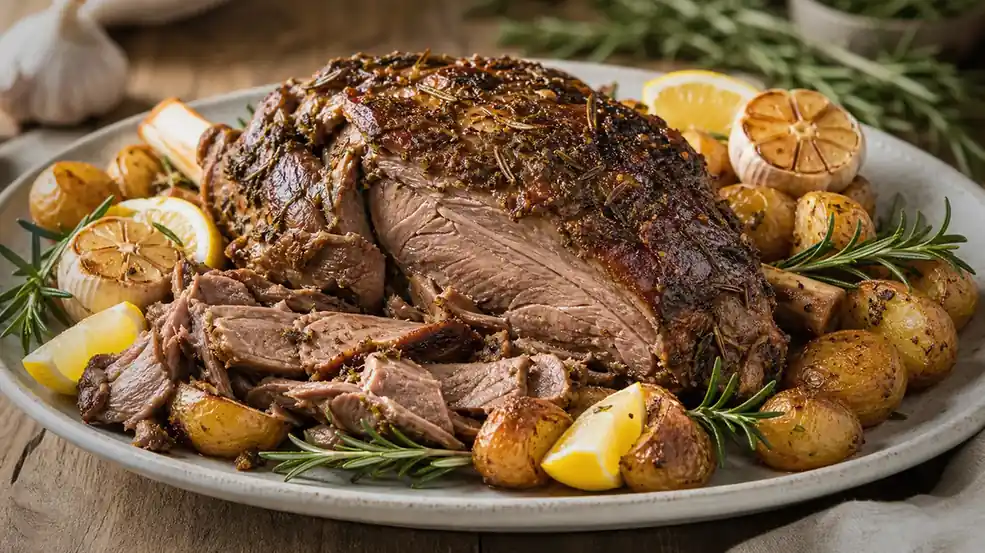
Easy Oven-Roasted Lamb Shoulder Recipes for Dinner
Make tender lamb shoulder recipes with rosemary, garlic, lemon, and roasted vegetables. This easy oven-roast guide delivers a flavorful family dinner.
Lamb · Prep 20 minutes · Cook 2 hours 15 minutes
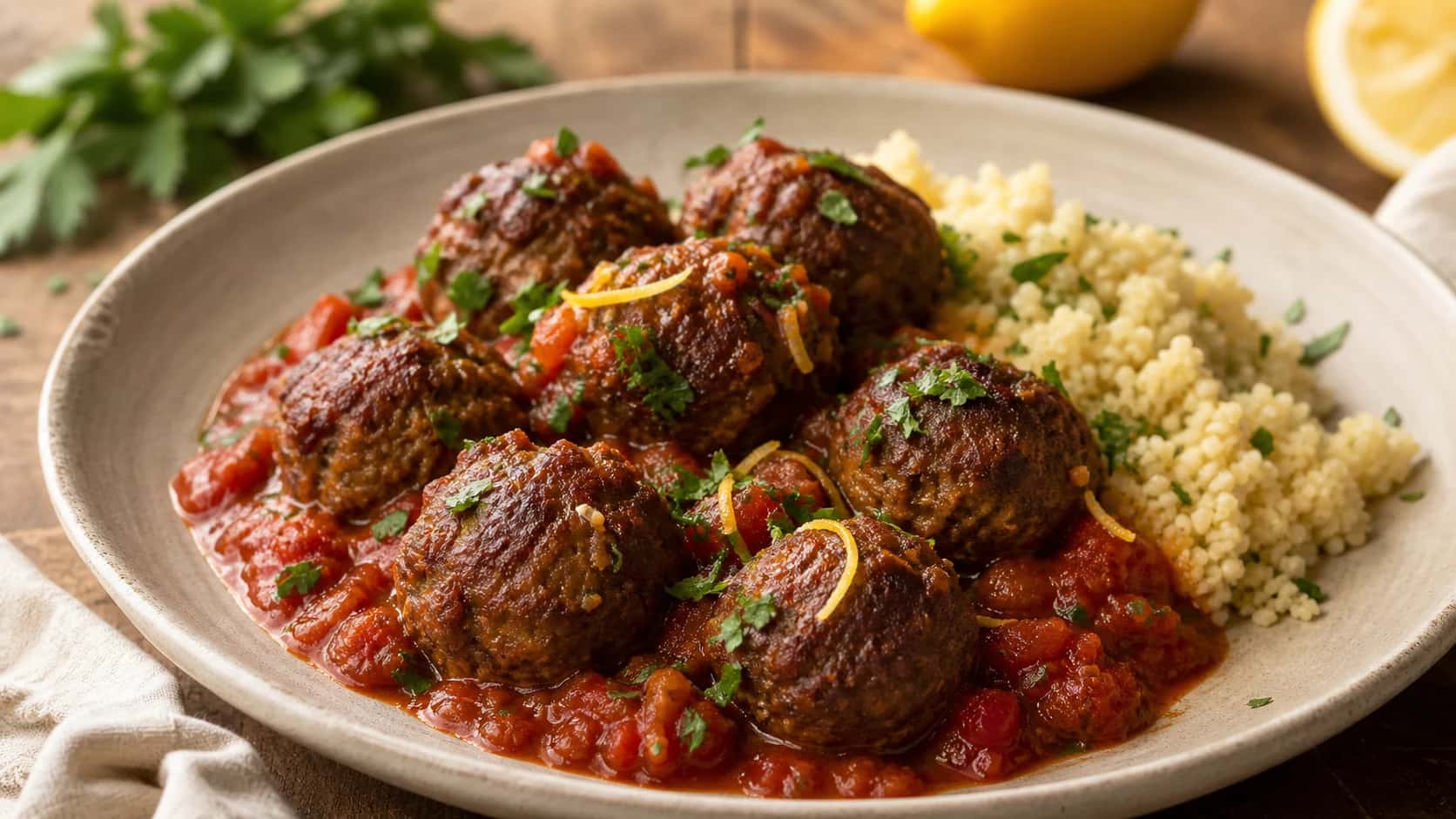
Easy Lamb Meatball Recipe with Tomato Herb Sauce
This easy lamb meatball recipe makes tender, warmly spiced meatballs in a bright tomato herb sauce for a comforting family dinner at home tonight.
Lamb · Prep 20 minutes · Cook 25 minutes
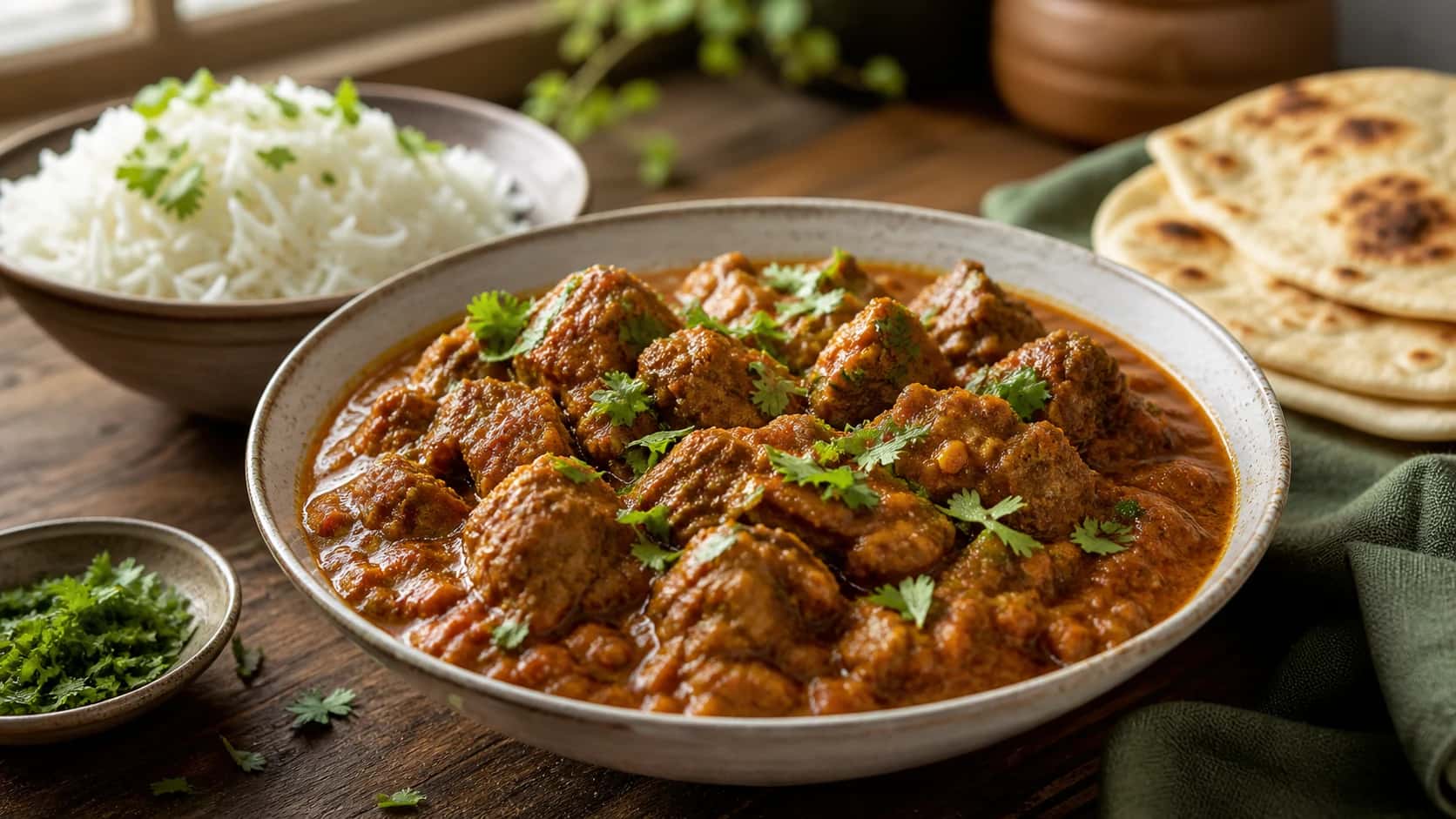
Recipe for a Lamb Curry with Tender Shoulder
Make this recipe for a lamb curry with tender shoulder, warming spices, and a rich tomato sauce for a comforting family dinner at home tonight.
Lamb · Prep PT20M · Cook PT1H35M