Easy Oven-Roasted Lamb Shoulder Recipes for Dinner
Make tender lamb shoulder recipes with rosemary, garlic, lemon, and roasted vegetables. This easy oven-roast guide delivers a flavorful family dinner.
Prep
20 minutes
Cook
2 hours 15 minutes
Rest
20 minutes
Total
2 hours 55 minutes
Servings
6
Difficulty
Easy
Cut
Bone-in lamb shoulder
Method
Oven roasted
Safe internal temperature
63°C / 145°F
Nutrition per serving
592 calories
- Protein
- 43g
- Fat
- 39g
- Carbs
- 18g
- Fiber
- 3g
- Sat. fat
- 15g
- Sugar
- 3g
- Sodium
- 680mg
Nutrition values are estimates based on the listed ingredients and serving size.
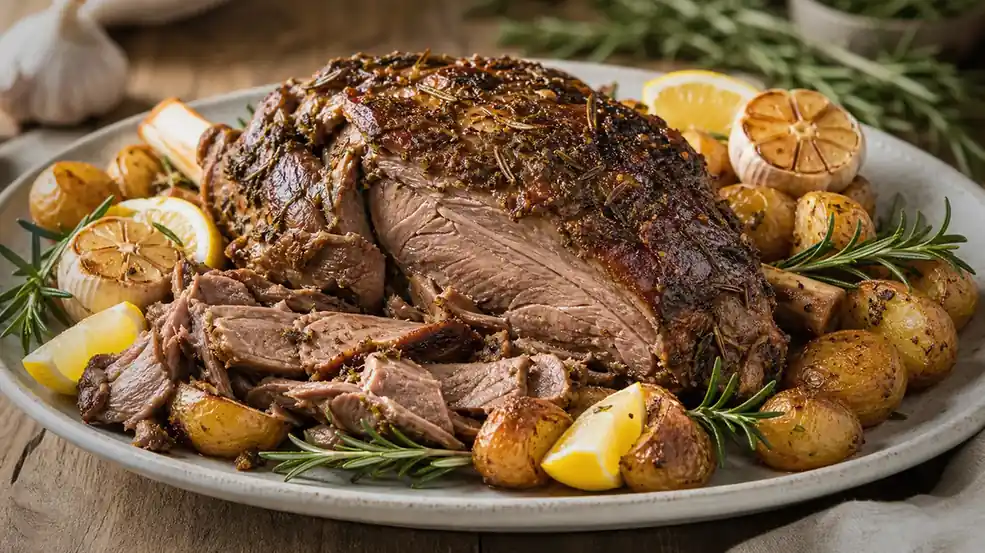
These oven-roasted lamb shoulder recipes make a generous, low-fuss dinner with a crisp rosemary-garlic crust and a tender, sliceable center. Lamb shoulder has the richness that makes a slow roast worthwhile, while lemon and onions balance the savory pan juices. Roast it on a bed of potatoes and carrots, then use the resting time to turn the drippings into a simple serving sauce.
This recipe uses a bone-in lamb shoulder of about 2.3 kg / 5 pounds. It is an excellent choice for a weekend meal, a family gathering, or any night when you want the oven to do most of the work. The thermometer is more dependable than the clock: pull the lamb when the thickest meat reaches 60°C / 140°F, then let it rest until it reaches 63°C / 145°F.
Why You'll Love This Recipe
- One roasting pan holds the lamb and vegetables, keeping preparation and cleanup manageable.
- Rosemary, garlic, cumin, and lemon add bold flavor without masking the lamb.
- The potatoes, carrots, and onions absorb the savory drippings as they roast.
- A short rest makes the meat easier to carve and helps retain its juices.
- The leftovers are useful in sandwiches, grain bowls, and salads.
Recipe Information
| Detail | Value |
|---|---|
| Preparation time | 20 minutes |
| Cooking time | 2 hours 15 minutes |
| Resting time | 20 minutes |
| Total time | 2 hours 55 minutes |
| Servings | 6 |
| Cooking method | Oven roasted |
| Internal temperature | 63°C / 145°F after resting |
For recipe schema, these readable times correspond to PT20M, PT2H15M, PT20M, and PT2H55M. Choose a shoulder with a reasonably even thickness so the center cooks predictably. A thin flap can brown too quickly; tuck it underneath or loosely cover it with a small piece of foil once the surface is deeply golden.
Ingredients
For the lamb shoulder
- 1 bone-in lamb shoulder, about 2.3 kg / 5 pounds
- 3 tablespoons olive oil, divided
- 2 teaspoons kosher salt
- 1 teaspoon freshly ground black pepper
- 1 1/2 teaspoons ground cumin
- 1 teaspoon sweet paprika
- 6 garlic cloves, finely grated or minced
- 2 tablespoons finely chopped fresh rosemary
- 1 tablespoon fresh thyme leaves
- 1 teaspoon lemon zest
- 3 tablespoons fresh lemon juice, divided
For the roasting pan
- 900 g / 2 pounds baby potatoes, halved
- 450 g / 1 pound carrots, cut into 5 cm / 2-inch pieces
- 2 medium yellow onions, cut into wedges
- 240 ml / 1 cup unsalted chicken stock
- 1 lemon, cut into wedges for serving
The vegetable quantities are designed to make the listed six servings complete. Use unsalted stock so you can control the seasoning; if using regular stock, reduce the salt on the lamb slightly. Fresh herbs give the roast its cleanest flavor, although 2 teaspoons dried rosemary and 1 teaspoon dried thyme can stand in when needed.
Step-by-Step Instructions
1. Bring the lamb closer to room temperature
Take the lamb shoulder from the refrigerator 30 to 40 minutes before roasting. Keep it covered and out of direct sunlight. This brief stand takes the chill off the surface and helps the seasoning cling; it is not long enough to replace safe refrigeration. Meanwhile, position a rack in the center of the oven and heat it to 190°C / 375°F.
2. Season the lamb
Pat the lamb dry with paper towels. In a small bowl, mix 2 tablespoons olive oil, salt, pepper, cumin, paprika, garlic, rosemary, thyme, lemon zest, and 2 tablespoons lemon juice into a thick paste. Rub it all over the lamb, working some into the creases around the bone. Drying the meat first is important because surface moisture prevents browning.
3. Build the roasting pan
Toss the potatoes, carrots, and onion wedges with the remaining tablespoon olive oil and a pinch each of salt and pepper in a large roasting pan. Pour the stock around, rather than over, the vegetables. Set the lamb on top, fat side up. Elevating the meat slightly lets hot air circulate while the vegetables catch the flavorful drippings.
4. Start the roast hot
Roast uncovered for 25 minutes at 190°C / 375°F. This initial high heat starts the browned crust. If the rosemary or garlic looks as if it may scorch, loosely place foil over only the top of the shoulder; do not seal the pan, since trapped steam would soften the crust.
5. Roast until tender and safely cooked
Lower the oven to 160°C / 325°F and continue roasting for 1 hour 35 minutes to 1 hour 50 minutes. Turn the vegetables once or twice and add a splash of water if the pan looks dry. Begin checking the lamb after 1 hour 30 minutes at the lower temperature. Insert an instant-read thermometer into the thickest portion of meat without touching bone. Remove the roast at 60°C / 140°F for a final resting temperature of 63°C / 145°F.
6. Rest, carve, and serve
Transfer the lamb to a board and tent it loosely with foil for 20 minutes. During this time, return the vegetables to the oven if they need more color, and spoon excess fat from the pan juices if desired. Stir the final tablespoon lemon juice into the drippings. Carve the lamb across the grain, arrange it with the vegetables, and serve the warm pan juices and lemon wedges alongside.
Tips for Best Results
Use a thermometer, not just timing
Shoulder shape, bone size, and oven calibration all affect roasting time. Place the thermometer away from the bone and from large pockets of fat. Starting the temperature checks early gives you room to protect a beautiful crust while the middle finishes gently.
Keep the vegetables in one layer
Crowded vegetables steam instead of roasting. If your pan is small, spread the potatoes and carrots on a second baking tray, toss them with oil and seasoning, and roast beside the lamb. They still pair well with the pan juices at the table.
Rest generously
Twenty minutes is worth it for a shoulder roast. The fibers relax and the juices redistribute, making the slices neater and more succulent. Keep the foil loose so the browned exterior does not become soggy.
Ingredient Substitutions
Lamb leg can replace the shoulder, although it is leaner and may cook more quickly; begin checking it well before the listed time. Lamb blade chops are another option, but roast them in a single layer and check their temperature after about 45 minutes at 160°C / 325°F.
Swap parsnips or sweet potatoes for some of the carrots and potatoes. Oregano can replace thyme, and a tablespoon of chopped mint can be scattered over the finished platter for a brighter finish. If you do not have stock, use water with an extra pinch of salt and a little lemon juice added after roasting.
What to Serve With Lamb Shoulder Recipes
The pan-roasted vegetables make this a satisfying main dish, but a crunchy green salad is a welcome contrast. Try cucumber, parsley, and tomato with a lemony dressing, or serve steamed green beans with toasted almonds. Warm flatbread is handy for soaking up the pan juices.
For more ideas, browse lamb recipes, try lamb kabobs for grill night, or make lamb steak with rosemary when you need a faster dinner. More easy dinner recipes can help plan the rest of the week.
Storage Instructions
Cool leftover lamb and vegetables within 2 hours, then refrigerate them in separate airtight containers for up to 3 days. For longer storage, remove the lamb from the bone, portion it with a little pan juice, and freeze for up to 2 months. Thaw frozen portions overnight in the refrigerator, never on the counter.
Reheating Instructions
Warm lamb slices in a covered skillet over low heat with a spoonful of stock or pan juice until hot. Reheat vegetables on a baking tray at 200°C / 400°F for 10 to 15 minutes so their edges crisp again. Reheat leftovers to 74°C / 165°F for safe serving, and avoid high heat that can dry the lamb.
Frequently Asked Questions
Is lamb shoulder the same as lamb leg?
No. Lamb shoulder has more connective tissue and marbling, so it has a richer flavor and benefits from a slower roast. Lamb leg is generally leaner and may reach the target temperature sooner. Both are delicious, but their cooking times should not be treated as interchangeable.
How do I know when the lamb shoulder is done?
Use an instant-read thermometer in the thickest section of meat, avoiding bone. For this recipe, pull at 60°C / 140°F and rest until the temperature reaches 63°C / 145°F. If you prefer a different level of doneness, use a tested target temperature appropriate to the cut and your preference.
Can I prepare this lamb shoulder recipe ahead?
Yes. Rub the lamb with the herb mixture, cover it, and refrigerate for up to 12 hours. Bring it out 30 to 40 minutes before roasting. The vegetables are best cut just before cooking, although peeled carrots can be stored in a sealed container in the refrigerator overnight.
Why is my lamb shoulder tough?
Toughness usually comes from undercooking a connective-tissue-rich shoulder or carving it immediately after roasting. Give the roast the full lower-temperature stage, check its temperature accurately, and let it rest before slicing. If a particular shoulder remains firm, thinly slice it and serve it with extra juices.
Conclusion
These lamb shoulder recipes prove that a comforting roast does not need a complicated technique. A fragrant herb rub, a bed of vegetables, steady oven heat, and a thermometer produce tender lamb with a crisp, flavorful exterior. Make it for a relaxed gathering, then save the leftovers for easy meals later in the week.
Nutrition note
Nutrition estimates are per serving and include lamb, potatoes, carrots, onions, oil, and a share of the pan juices. Actual values vary with trimming, bone weight, and how much fat is left in the roasting pan.
Keep cooking
You might also like
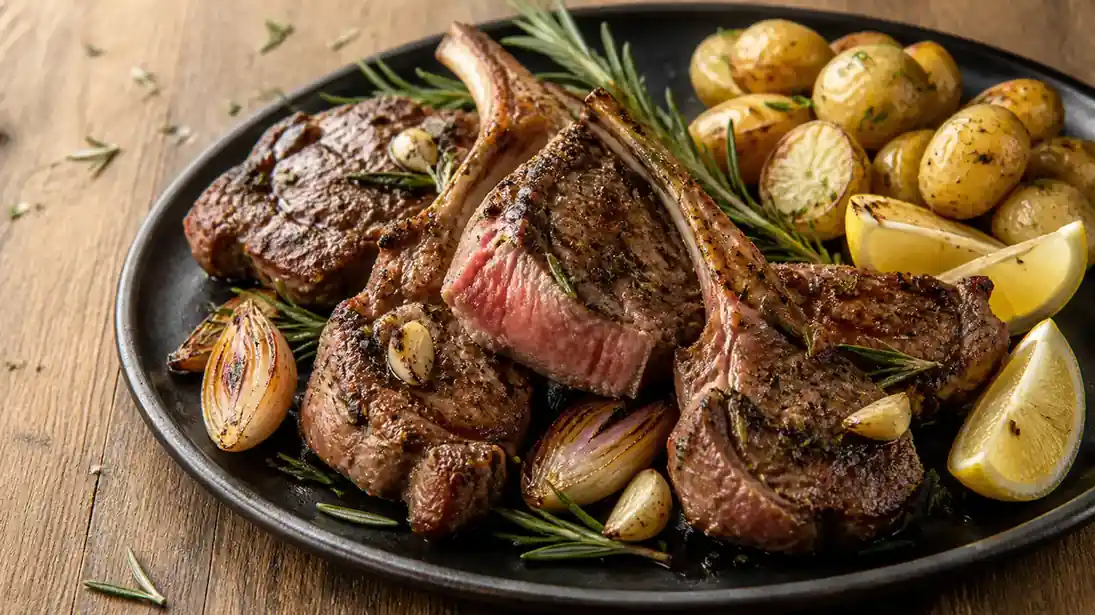
Grilled Lamb Shoulder Chop Recipes with Rosemary
Make tender grilled lamb shoulder chop recipes with rosemary, garlic, and lemon. This easy guide delivers a flavorful family dinner in 40 minutes.
Lamb · Prep 15 minutes · Cook 18 minutes
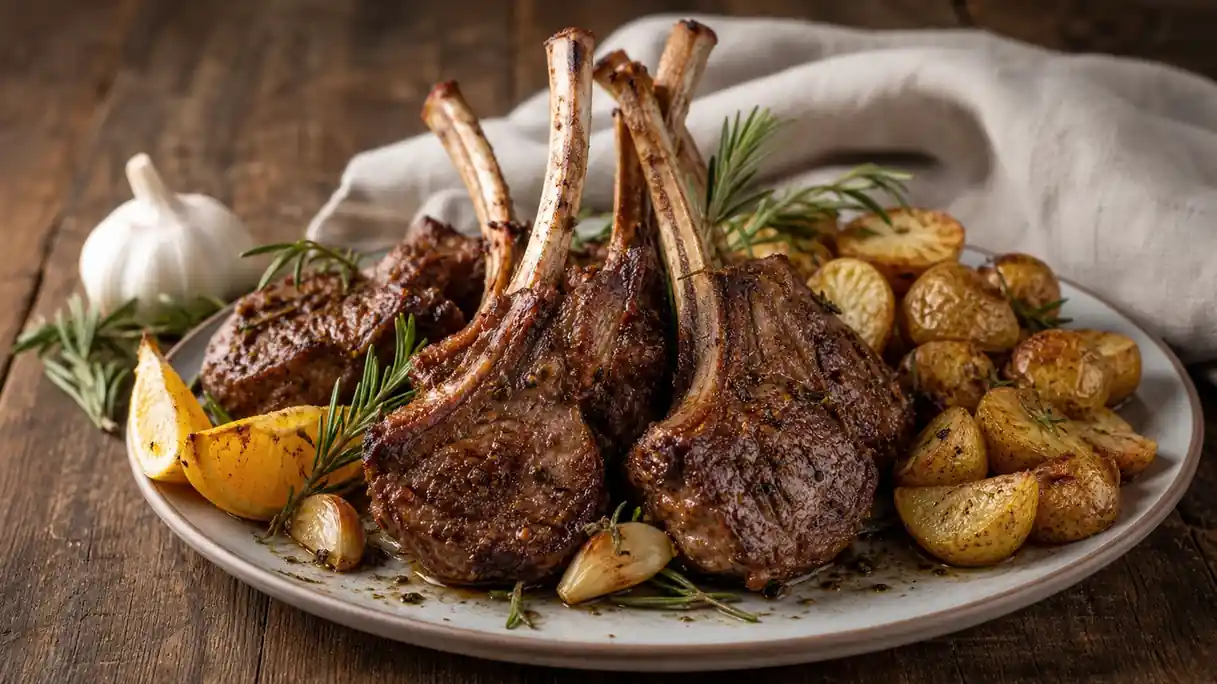
Easy Lamb Lollipops Recipe with Garlic and Rosemary
Make this lamb lollipops recipe with garlic, rosemary, and lemon for tender oven-roasted rib chops, plus crisp potatoes for an easy dinner at home tonight.
Lamb · Prep 15 minutes · Cook 18 minutes

Lamb Slow Cooker Recipes: Tender Herb-Braised Shoulder
Lamb slow cooker recipes make tender, herb-braised shoulder easy: a rich tomato sauce, vegetables, and practical tips for a warm, comforting family meal.
Lamb · Prep 20 minutes · Cook 7 hours