Lamb Slow Cooker Recipes: Tender Herb-Braised Shoulder
Lamb slow cooker recipes make tender, herb-braised shoulder easy: a rich tomato sauce, vegetables, and practical tips for a warm, comforting family meal.

Prep
20 minutes
Cook
7 hours
Rest
15 minutes
Total
7 hours 35 minutes
Servings
4
Difficulty
Easy
Cut
Bone-in lamb shoulder
Method
Slow cooked
Safe internal temperature
93°C / 200°F
Nutrition per serving
610 calories
- Protein
- 47g
- Fat
- 38g
- Carbs
- 29g
- Fiber
- 5g
- Sat. fat
- 14g
- Sugar
- 10g
- Sodium
- 590mg
Nutrition values are estimates based on the listed ingredients and serving size.
These lamb slow cooker recipes are for days when you want a deeply flavorful dinner without standing at the stove. Bone-in lamb shoulder cooks gently with tomatoes, carrots, potatoes, and rosemary until it is tender enough to pull apart with a fork. A brief stovetop sear adds savory depth, then the slow cooker does the patient work.
This recipe makes a complete, comforting meal for four. The sauce is rich but not heavy, and the vegetables absorb the lamby juices as they cook. It is especially useful for a weekend supper, a make-ahead family meal, or any day when a hands-off main dish sounds welcome.
Why You'll Love This Recipe
- The slow cooker turns a hardworking lamb shoulder into tender, spoonable meat.
- Potatoes and carrots cook in the same aromatic sauce, so there is little extra cleanup.
- The ingredient list relies on familiar herbs and pantry staples.
- You can prepare the vegetables and sauce earlier in the day, then let dinner cook unattended.
- Leftovers reheat beautifully for lunches, wraps, or grain bowls.
For more ideas with this meat, browse more lamb recipes, including our boneless leg of lamb recipe.
Recipe Information for Lamb Slow Cooker Recipes
| Detail | Amount |
|---|---|
| Preparation time | 20 minutes |
| Cooking time | 7 hours |
| Resting time | 15 minutes |
| Total time | 7 hours 35 minutes |
| Servings | 4 |
| Internal temperature | 93°C / 200°F |
The lamb is done when the thickest meat is exceptionally tender and reads about 93°C / 200°F. That higher temperature is for the collagen in shoulder to soften; it is what gives this cut its pull-apart texture. The readable kitchen times above convert to ISO 8601 recipe-schema durations: 20 minutes, 7 hours, 15 minutes, and 7 hours 35 minutes.
Ingredients
- 1.3 kg bone-in lamb shoulder, trimmed of any thick exterior fat
- 1 1/2 teaspoons fine salt, divided
- 1 teaspoon black pepper, divided
- 1 tablespoon olive oil
- 1 large yellow onion, cut into 1 cm pieces
- 4 garlic cloves, finely chopped
- 2 tablespoons tomato paste
- 400 g canned crushed tomatoes
- 360 ml low-sodium beef or lamb stock
- 1 tablespoon pomegranate molasses
- 1 tablespoon lemon juice
- 2 teaspoons fresh rosemary, chopped, or 3/4 teaspoon dried rosemary
- 1 teaspoon dried oregano
- 3 medium carrots, cut into large chunks
- 500 g baby potatoes, halved if large
- 1 bay leaf
- 2 tablespoons chopped fresh parsley, for serving
Use a shoulder with the bone when possible. It adds flavor to the cooking liquid and is forgiving during a long cook. Ask your butcher to cut a large shoulder into two pieces if it will not fit comfortably in your slow cooker.
Step-by-Step Instructions
1. Season and brown the lamb
Pat the lamb dry with paper towel, then season it all over with 1 teaspoon of the salt and 3/4 teaspoon of the pepper. Heat the olive oil in a large skillet over medium-high heat. Sear the lamb for 4 to 5 minutes per side, until it has a deep brown crust. Work in batches if needed; a crowded pan steams instead of browning.
Transfer the lamb to a 5.5- to 7-litre slow cooker. Browning is optional when time is tight, but it makes the finished sauce noticeably more savory. Keep the skillet nearby for the next step.
2. Build the tomato-herb sauce
Reduce the heat under the skillet to medium. Add the onion with the remaining 1/2 teaspoon salt and cook for 4 minutes, scraping up the browned bits. Add the garlic and tomato paste; stir for 1 minute until the paste darkens slightly.
Pour in the crushed tomatoes and stock. Stir in the pomegranate molasses, lemon juice, rosemary, oregano, remaining pepper, and bay leaf. Bring the sauce just to a simmer, then pour it around the lamb. The sauce should reach about one-third of the way up the meat, not completely cover it.
3. Add the vegetables and slow cook
Arrange the carrots and potatoes around the lamb, pressing them into the sauce. Cover and cook on low for 7 hours. Avoid lifting the lid during the first 5 hours; every peek releases heat and can extend the cooking time.
At the end of cooking, test the lamb with a fork near the bone. It should pull away in large, moist pieces with little resistance. For a temperature check, aim for about 93°C / 200°F in the thickest section of meat, away from the bone. If the meat is still firm, cover and cook for another 30 to 45 minutes.
4. Rest, skim, and serve
Carefully move the lamb to a warm platter and cover it loosely. Let it rest for 15 minutes. Remove the bay leaf from the sauce. If you prefer a less rich sauce, skim any visible fat from the surface with a spoon; shoulder naturally renders fat during its long cook.
Spoon the vegetables and sauce around the lamb. Pull the meat into generous pieces, discard the bone, and scatter parsley over the top. Serve immediately with plenty of sauce.
Tips for Best Results
Choose lamb shoulder rather than a lean leg cut for this method. Shoulder contains connective tissue that becomes silky over several hours, while leaner cuts can become dry when held at a high temperature for too long. If your lamb is tied, leave the string in place for cooking and remove it before pulling the meat apart.
Cut the vegetables larger than you would for a quick stew. Thick carrot pieces and whole or halved baby potatoes stay intact through a long cook. If your slow cooker tends to run hot, check the potatoes after 6 hours and move them away from the direct edge of the crock if they are becoming too soft.
Taste the sauce only after the lamb has finished cooking. Stock, tomatoes, and lamb all concentrate differently, so a final pinch of salt or a squeeze of lemon is more accurate than oversalting at the start. For a thicker sauce, transfer the lamb and vegetables to a platter, then simmer the sauce in a skillet for 5 to 8 minutes.
Ingredient Substitutions
Use lamb shanks in place of shoulder; cook the same way and serve one large shank per person. Boneless lamb shoulder also works, though check it 30 minutes earlier because it may cook a little faster. Do not use tender lamb chops here, since they are better suited to a quicker high-heat method such as these lamb shoulder chop recipes.
Parsnips or chunks of sweet potato can replace some of the carrots or potatoes. If you do not have pomegranate molasses, use 2 teaspoons of honey plus an extra teaspoon of lemon juice. The goal is a small note of sweetness and acidity to balance the tomato sauce, not a sugary glaze.
Fresh thyme is a good swap for rosemary, and a small cinnamon stick can add warmth if you enjoy it with lamb. Keep the seasoning simple enough that the natural flavor of the slow-cooked shoulder remains the focus.
What to Serve With It
The potatoes and carrots make this a satisfying one-pot meal, but a crisp salad adds welcome freshness. Try cucumber ribbons with lemon and mint, lightly dressed greens, or steamed green beans. Warm flatbread is useful for scooping up every bit of the tomato-herb sauce.
For a more celebratory lamb menu, start with a simple vegetable soup and offer lamb kabobs another night for a faster, grill-inspired option. A bowl of plain couscous or rice also stretches the sauce into an easy meal for extra guests.
Storage Instructions
Cool the lamb, vegetables, and sauce promptly, then refrigerate them in shallow covered containers within two hours. They keep well for up to 3 days. Store the lamb in some of its sauce so it stays moist.
For longer storage, portion the cooled lamb and sauce into freezer-safe containers, leaving a little room for expansion. Freeze for up to 2 months. The potatoes soften slightly after freezing, but the lamb and sauce retain their flavor well. Thaw overnight in the refrigerator before reheating.
Reheating Instructions
Reheat refrigerated portions in a covered saucepan over medium-low heat with a splash of stock or water, stirring the sauce occasionally, until the centre reaches 74°C / 165°F. You can also microwave individual portions loosely covered in 60-second intervals, stirring between intervals for even heating.
For frozen portions, thaw first whenever possible. Reheat slowly rather than boiling hard, which can make the lamb shred into very small pieces. Once hot, taste the sauce and brighten it with a small squeeze of lemon if it needs it.
Frequently Asked Questions
Can I cook this on high instead of low?
Yes. Cook on high for about 4 to 5 hours, checking for fork tenderness after 4 hours. Low heat is preferred because it gives the connective tissue more time to soften gently and makes the timing more forgiving.
Do I need to brown lamb before slow cooking?
No, the lamb will still become tender without browning. Searing is worthwhile when you have the extra 10 minutes because the browned surface and skillet drippings give the sauce fuller flavor.
Why is my lamb tough after several hours?
It usually needs more time. Shoulder moves from firm to tender only after its connective tissue has had enough time to break down. Keep the lid closed and continue cooking in 30-minute increments until a fork slides in easily.
Can I make lamb slow cooker recipes ahead?
Absolutely. The flavor improves after a night in the refrigerator. Cool it safely, refrigerate it in the sauce, and reheat until hot throughout before serving.
Conclusion
These lamb slow cooker recipes prove that a relaxed cooking method can still deliver a memorable meal. With lamb shoulder, a tomato-herb sauce, and sturdy vegetables, you get tender meat and a complete dinner from one pot. Save this recipe for a busy day, then let the slow cooker handle the slow, satisfying work.
Nutrition information is an estimate per serving, based on the ingredients listed and four servings. Exact values vary with the trim of the lamb, the stock, and the amount of rendered fat removed from the sauce.
Keep cooking
You might also like

Lamb Tagine Recipe with Apricots and Chickpeas
Make this lamb tagine recipe with tender shoulder, apricots, chickpeas, and warm spices for a richly flavored, comforting Moroccan-inspired dinner at home.
Lamb · Prep 20 minutes · Cook 2 hours 15 minutes
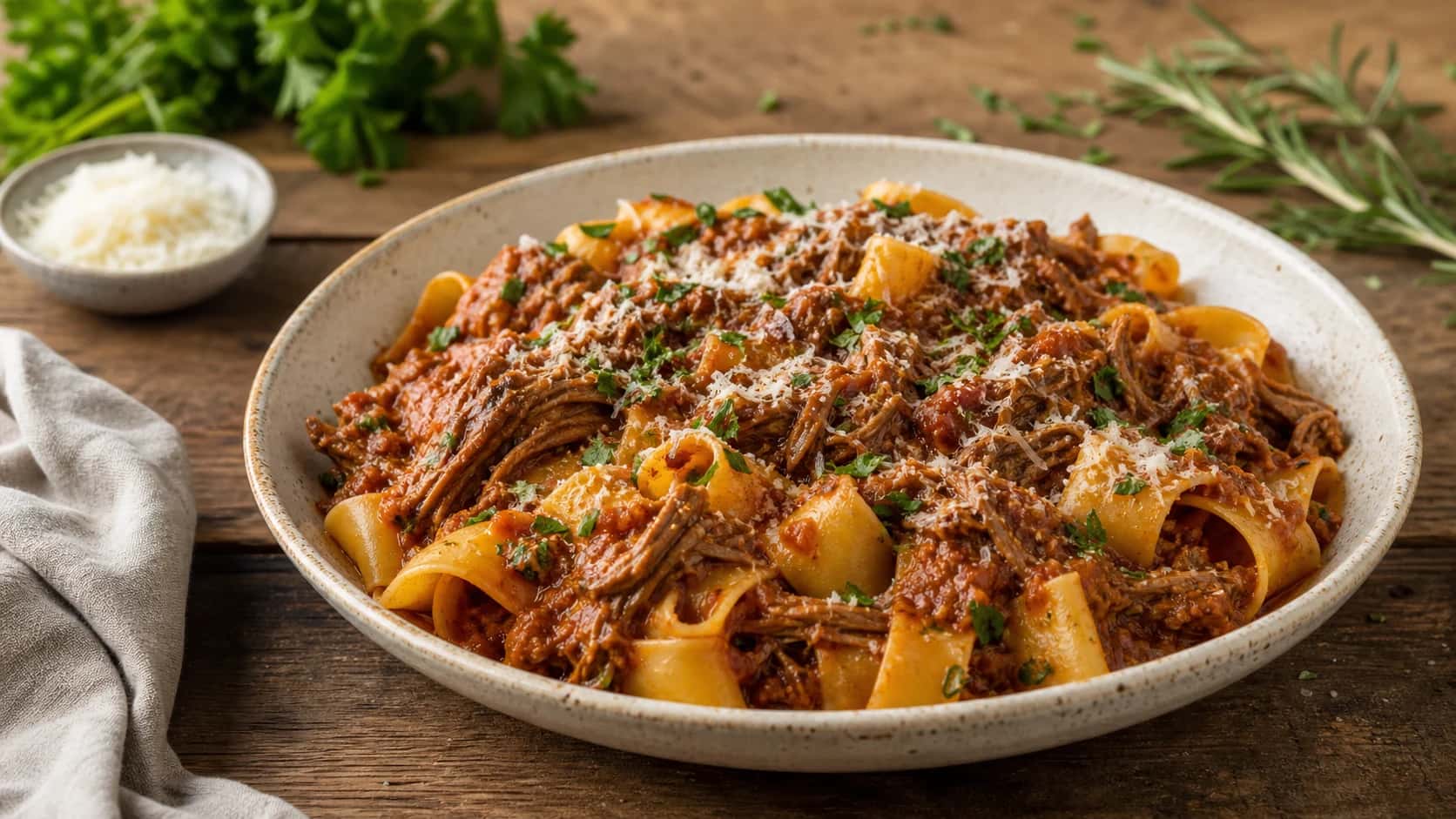
Slow-Cooked Lamb Ragu Recipe with Pappardelle Pasta
This slow-cooked lamb ragu recipe pairs tender shredded lamb with rich tomato sauce and pappardelle for a comforting family dinner at home tonight.
Lamb · Prep PT25M · Cook PT3H10M
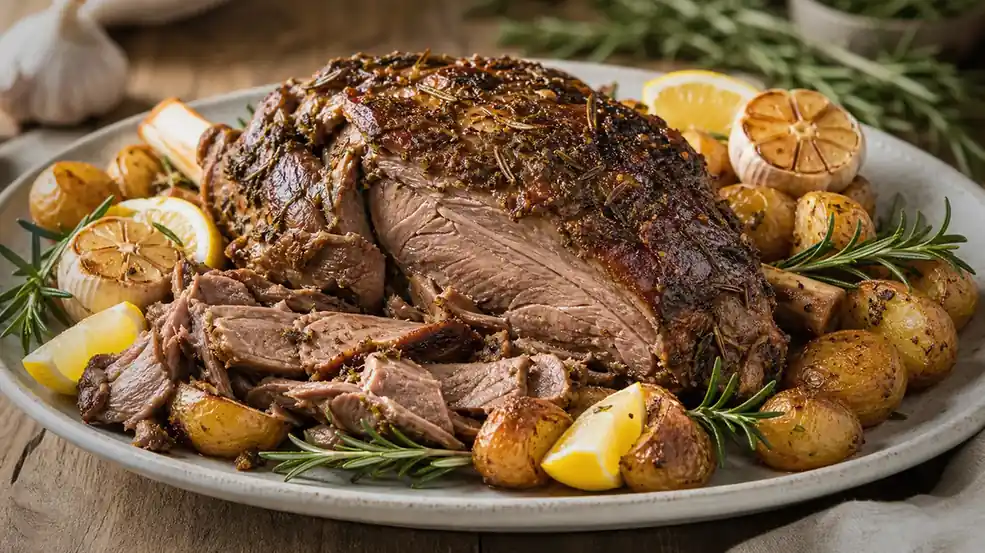
Easy Oven-Roasted Lamb Shoulder Recipes for Dinner
Make tender lamb shoulder recipes with rosemary, garlic, lemon, and roasted vegetables. This easy oven-roast guide delivers a flavorful family dinner.
Lamb · Prep 20 minutes · Cook 2 hours 15 minutes