Asian Chicken Recipes: Sticky Ginger Garlic Chicken
Make Asian chicken recipes at home with tender ginger-garlic chicken thighs, a glossy savory sauce, and easy oven-baked steps for a flavorful weeknight dinner.
Prep
20 minutes
Cook
35 minutes
Rest
5 minutes
Total
1 hour
Servings
4
Difficulty
Easy
Cut
Boneless skinless chicken thighs
Method
Oven baked
Safe internal temperature
74°C / 165°F
Nutrition per serving
390 calories
- Protein
- 43g
- Fat
- 14g
- Carbs
- 23g
- Fiber
- 1g
- Sat. fat
- 4g
- Sugar
- 17g
- Sodium
- 980mg
Nutrition values are estimates based on the listed ingredients and serving size.
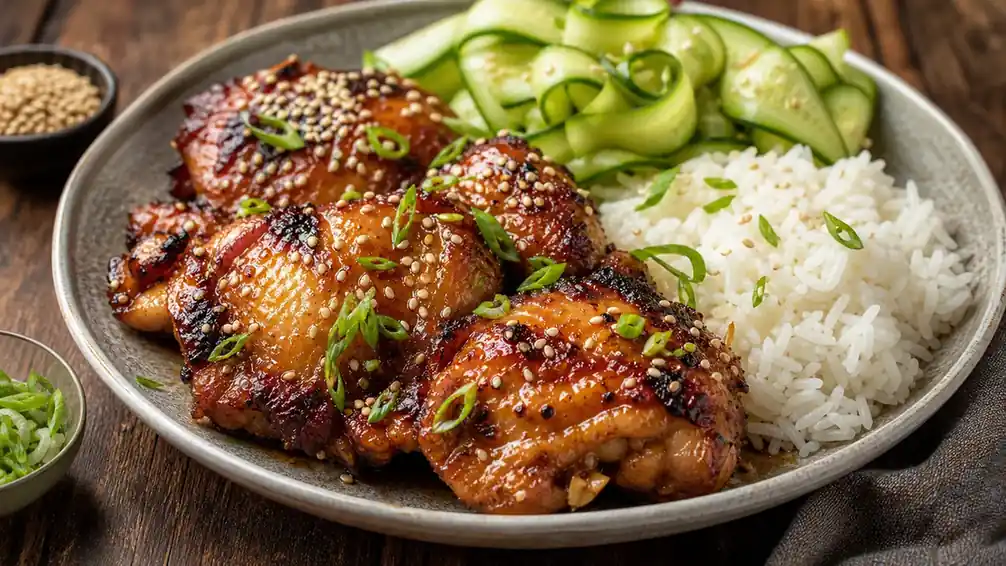
This sticky ginger garlic chicken is one of those Asian chicken recipes that works for a regular weeknight but still looks good enough to put on the table for guests. Boneless chicken thighs bake until tender, then get brushed with a glossy sauce of ginger, garlic, honey, soy sauce, and rice vinegar. The result is savory, lightly sweet, and bright, with no deep fryer or lengthy ingredient list required.
This is one flexible chicken dinner, not a claim to represent every cuisine across Asia. It uses the familiar ginger-soy combination in a way that suits a home oven. Serve it with rice and quick cucumber ribbons, or tuck it into bowls, lettuce wraps, or a simple noodle dinner. Drying the chicken well, briefly reducing the sauce, and checking the center with a thermometer make the difference.
Why You'll Love This Recipe
- Chicken thighs stay moist and are forgiving in the oven.
- Fresh ginger and garlic give the sauce a fragrant, rounded flavor.
- The sauce comes together in one small pan while the chicken bakes.
- The sauce and vegetables can be prepped ahead.
- Leftovers are useful for lunch bowls and wraps.
Recipe Information
| Detail | Amount |
|---|---|
| Preparation time | 20 minutes |
| Cooking time | 35 minutes |
| Resting time | 5 minutes |
| Total time | 1 hour |
| Servings | 4 |
| Internal temperature | 74°C / 165°F |
Ingredients for These Asian Chicken Recipes
For the chicken
- 2 pounds boneless, skinless chicken thighs, trimmed of excess fat
- 1 tablespoon neutral oil, such as avocado or sunflower oil
- 1/2 teaspoon fine salt
- 1/2 teaspoon black pepper
- 1 tablespoon cornstarch, optional, for a slightly clingier glaze
For the ginger garlic sauce
- 1/3 cup low-sodium soy sauce
- 3 tablespoons honey
- 2 tablespoons unseasoned rice vinegar
- 1 tablespoon toasted sesame oil
- 1 tablespoon freshly grated ginger
- 4 garlic cloves, finely grated or minced
- 1 teaspoon chili-garlic paste, optional
- 2 tablespoons water
For serving
- 2 scallions, thinly sliced
- 2 teaspoons toasted sesame seeds
- 2 small cucumbers, shaved into ribbons
- Steamed jasmine rice, cooked according to the package directions
Low-sodium soy sauce gives you more room to balance the sauce, particularly when rice is on the plate. Wait until it has reduced before tasting: as water evaporates, the sauce gets both saltier and sweeter. For a gluten-free meal, use tamari labeled gluten-free and check the chili paste label too.
Step-by-Step Instructions
1. Heat the oven and prepare the pan
Set an oven rack in the center position and heat the oven to 220°C / 425°F. Line a rimmed baking sheet with parchment paper or lightly oil it. Pat the chicken thighs very dry with paper towels. Dry surfaces brown more readily and help the sauce cling later.
Toss the chicken with the neutral oil, salt, pepper, and cornstarch in a bowl. Arrange the pieces in one layer, leaving a little room between them. If the thighs overlap, use two pans—crowding traps steam.
2. Bake the chicken
Bake for 18 minutes. Turn the pieces with tongs, then bake for another 12 to 17 minutes, depending on their thickness. The chicken is ready when the thickest piece reaches 74°C / 165°F in the center. Start checking early rather than relying only on the clock; thigh sizes vary considerably.
3. Cook the sauce
While the chicken bakes, combine the soy sauce, honey, rice vinegar, sesame oil, ginger, garlic, chili-garlic paste, and water in a small saucepan. Bring the mixture to a gentle simmer over medium heat. Stir often for 4 to 6 minutes, until it is glossy and coats the back of a spoon. Keep the heat moderate so the honey does not scorch.
Set aside about 2 tablespoons of the finished sauce for serving. Because it has stayed separate from the raw chicken, it is safe to drizzle over the final plates. If it thickens too much as it sits, stir in a teaspoon of hot water.
4. Glaze and finish
Once the chicken is cooked through, brush it generously with the remaining sauce. Return the pan to the oven for 2 to 3 minutes, just until the glaze bubbles at the edges. For extra color, broil for up to 1 minute and watch it continuously; honey burns quickly under a broiler.
Transfer the chicken to a platter and let it rest for 5 minutes. Finish with scallions and sesame seeds. Spoon over the reserved sauce or pass it at the table, then serve with rice and cucumber ribbons.
Tips for Best Results
Choose thighs that are close in size so they finish at the same time. If one is much smaller, move it to the edge of the pan and check it a few minutes earlier. A metal baking sheet conducts heat more strongly than glass, so it gives the undersides a better roast.
Grate the ginger and garlic finely so they melt into the sauce rather than leaving sharp pieces behind. Peel ginger with the edge of a spoon before grating for a cleaner flavor. Fresh ginger is worth using here; ground ginger will work in a pinch but tastes flatter.
Use an instant-read thermometer in the thickest part of the thigh, avoiding the pan. Poultry should reach 74°C / 165°F before serving. Do not use the brush that touched raw chicken on the cooked chicken unless it has been washed, and keep the reserved serving sauce away from raw poultry.
For a deeper, more lacquered finish, brush on half the sauce during the final 5 minutes of baking and the rest after the chicken reaches temperature. Adding it too early can make the honey darken before the chicken is done.
Ingredient Substitutions
Chicken breast can replace thighs, but it cooks faster and is easier to dry out. Use four large breasts, pound the thick end slightly for even cooking, and begin checking for 74°C / 165°F after 18 minutes. Bone-in thighs also work, though they need a longer bake and benefit from being glazed only near the end.
Maple syrup can replace honey at a one-to-one ratio. For a less sweet sauce, reduce the honey to 2 tablespoons and add an extra tablespoon of water. Coconut aminos can replace soy sauce for a milder profile, although you may need a pinch more salt after tasting the reduced sauce.
No rice vinegar? Use apple cider vinegar in the same amount. Lime juice is brighter and less mellow, so begin with 1 tablespoon and add more only after tasting. Skip the chili paste for a mild dinner, or add thinly sliced fresh chili as a garnish for individual heat.
What to Serve With Sticky Ginger Garlic Chicken
Steamed jasmine rice is the simplest match because it catches every bit of sauce. Brown rice or quinoa suits meal prep, while rice noodles make this a quick noodle bowl. Toss cucumber ribbons with a pinch of salt and a splash of rice vinegar for a cool, crisp contrast.
For more vegetables, try steamed broccoli, roasted green beans, or bok choy quickly sautéed with garlic. A light salad of shredded cabbage, carrots, and scallions also works nicely. For another easy poultry dinner, browse these juicy oven-baked chicken thighs or these grilled chicken drumsticks.
For a broader dinner rotation, make chipotle honey chicken on another night, or explore the full chicken recipe collection. Simple sides let the ginger and garlic remain the focus.
Storage Instructions
Cool leftover chicken and sauce promptly, then refrigerate in a shallow airtight container within 2 hours. Keep for up to 3 days. Store rice separately when possible; it cools faster in a shallow container and reheats more evenly.
For freezing, cool the glazed chicken completely, portion it with a little sauce, and freeze for up to 2 months. Thaw overnight in the refrigerator. Cucumber ribbons are best made fresh because they soften after freezing and thawing.
Reheating Instructions
Reheat chicken in a covered skillet over low heat with a splash of water and a spoonful of sauce until the center reaches 74°C / 165°F. The microwave also works: cover loosely and heat in short bursts at medium power, turning the pieces once. Add the scallions and sesame seeds after reheating so they stay fresh.
To reheat from frozen, thaw first for the most even result. If needed, reheat gently from frozen in a covered oven-safe dish at 175°C / 350°F, adding a few tablespoons of water and allowing extra time. Check the center temperature before serving.
Frequently Asked Questions
Can I marinate the chicken?
Yes. Reserve half the sauce before it contacts raw chicken, then use the other half as a 30-minute marinade. The sauce contains salt and acid, so do not marinate overnight. Pat the chicken dry before baking and use the untouched reserved sauce for glazing.
Why is my sauce too thin?
Let it simmer a little longer over medium heat. It should coat a spoon but still pour easily. If it is still thin after 6 minutes, mix 1 teaspoon cornstarch with 1 teaspoon cold water and whisk it in; simmer for 30 seconds.
Can I make this in an air fryer?
Yes. Air fry the seasoned thighs at 200°C / 400°F for about 14 to 18 minutes, turning once and checking for 74°C / 165°F. Brush with the cooked sauce during the last 2 minutes. Cook in batches so the air can circulate.
Are the nutrition values per serving?
Yes. The nutrition estimates below are per serving of chicken and sauce, based on four servings. They do not include rice or cucumber, since those amounts can vary by plate.
Conclusion
These Asian chicken recipes prove that a satisfying, sauce-coated chicken dinner does not need complicated equipment or an all-day marinade. Bake the thighs until they reach 74°C / 165°F, reduce the ginger garlic sauce until glossy, and serve with whatever simple grain and vegetables you enjoy. Once you have the method down, it is an easy recipe to repeat, adjust, and make your own.
Keep cooking
You might also like
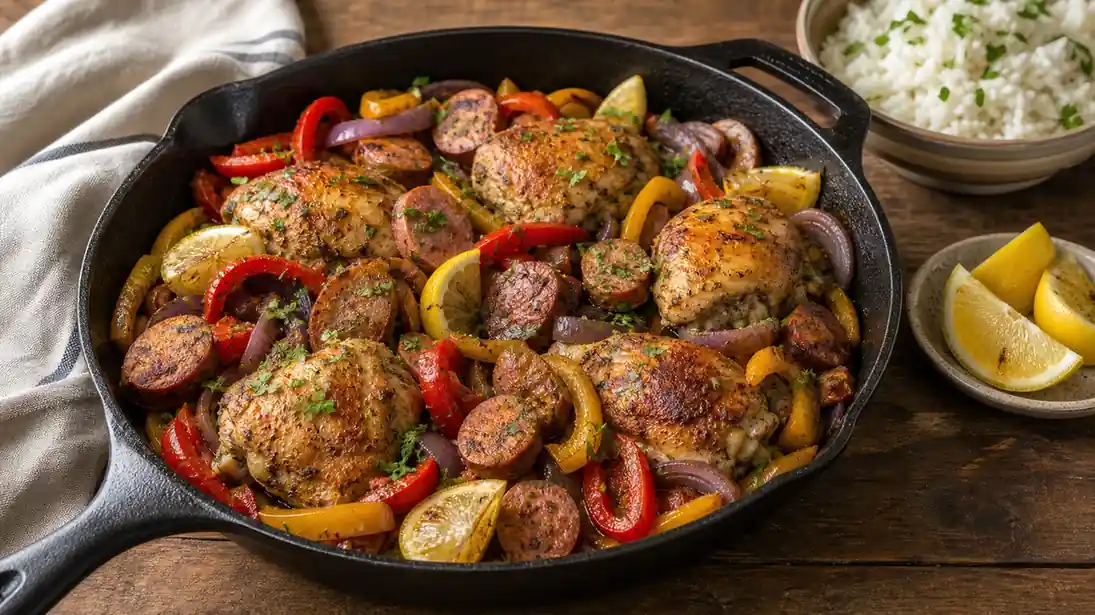
Chicken and Sausage Recipes for an Easy One-Pan Dinner
These chicken and sausage recipes turn tender thighs, chicken sausage, peppers, and onions into a colorful one-pan dinner for the table in 55 minutes.
Chicken · Prep 15 minutes · Cook 35 minutes

Easy Jerk Chicken Recipe with Grilled Chicken Thighs
Make this jerk chicken recipe with a fragrant homemade spice paste, charred edges, and juicy chicken thighs grilled at home for an easy dinner.
Chicken · Prep 25 minutes · Cook 25 minutes
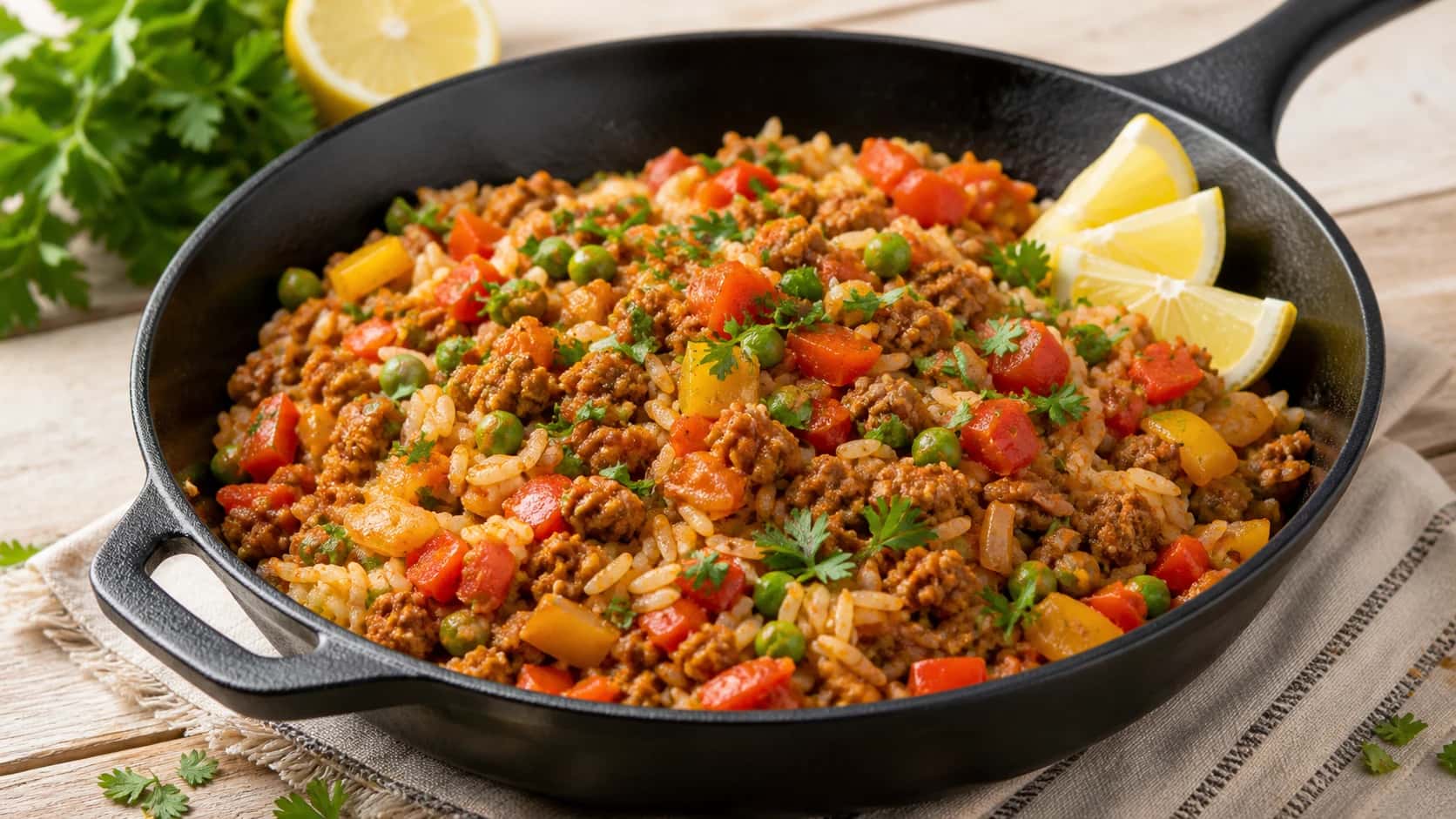
Recipes Using Ground Chicken: Easy One-Pan Skillet
Make recipes using ground chicken with this colorful chicken and rice skillet, a fast one-pan, family-friendly dinner loaded with fresh vegetables at home.
Chicken · Prep 15 minutes · Cook 20 minutes