Easy Turkey in a Bag Recipe for a Golden Holiday Roast
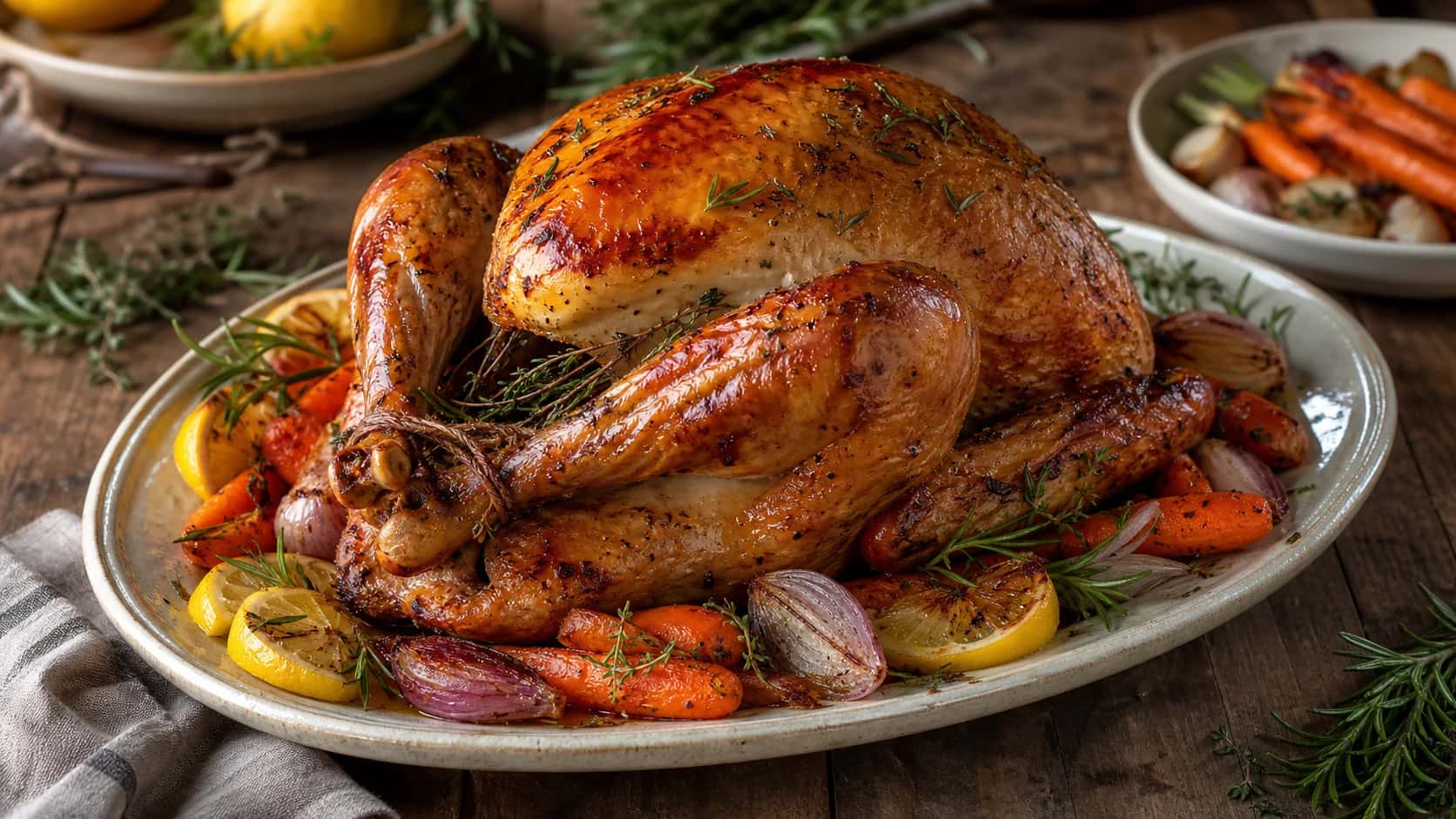
Make a juicy turkey in a bag recipe with rosemary, lemon, and vegetables; the roasting bag locks in moisture for an easy, golden holiday table centerpiece.
Prep
20 minutes
Cook
3 hours
Rest
25 minutes
Total
3 hours 45 minutes
Servings
12
Difficulty
Easy
Cut
Whole turkey
Method
Oven roasted
Safe internal temperature
74°C / 165°F
Nutrition per serving
455 calories
- Protein
- 65g
- Fat
- 20g
- Carbs
- 18g
- Fiber
- 3g
- Sat. fat
- 6g
- Sugar
- 7g
- Sodium
- 690mg
Nutrition values are estimates based on the listed ingredients and serving size.
Easy Turkey in a Bag Recipe for a Golden Holiday Roast
This turkey in a bag recipe gives you a tender, well-seasoned bird with remarkably little fuss. An oven roasting bag traps steam and the turkey's own juices around the meat, helping the breast stay moist while the legs cook through. A quick rub of olive oil, herbs, lemon, and garlic brings classic roast-turkey flavor without a complicated brine or constant basting.
The bag does most of the moisture management, but an instant-read thermometer still does the important safety work. Roast the turkey until the thickest part of the breast and the innermost thigh both reach 74°C / 165°F, then let it rest before carving. The resting time makes cleaner slices and gives the juices time to settle back into the meat.
Why You'll Love This Recipe
- The roasting bag helps protect lean breast meat from drying out.
- There is no basting schedule to manage while the turkey cooks.
- Aromatic vegetables flavor the pan juices and make serving easy.
- The method works well for a holiday meal or a relaxed weekend gathering.
- The drippings can become a simple pan gravy after the turkey is carved.
Recipe Information
| Detail | Time or amount |
|---|---|
| Preparation time | 20 minutes |
| Cooking time | 3 hours |
| Resting time | 25 minutes |
| Total time | 3 hours 45 minutes |
| Servings | 12 |
| Safe internal temperature | 74°C / 165°F |
Ingredients
- 1 whole turkey, 10 to 12 pounds, fully thawed and giblets removed
- 2 tablespoons olive oil
- 2 teaspoons kosher salt
- 1 teaspoon freshly ground black pepper
- 1 tablespoon chopped fresh rosemary
- 1 tablespoon chopped fresh thyme
- 1 teaspoon sweet paprika
- 1 lemon, halved
- 1 large yellow onion, quartered
- 4 garlic cloves, smashed
- 3 medium carrots, cut into 2-inch pieces
- 2 celery ribs, cut into 2-inch pieces
- 2 tablespoons all-purpose flour, for the oven roasting bag
- 1 large oven roasting bag, sized for turkey
- 1 cup low-sodium turkey or chicken broth, optional for the roasting pan
How to Make This Turkey in a Bag Recipe
1. Prepare the oven and turkey
Set an oven rack in the lower third of the oven and heat it to 350°F / 175°C. Place a sturdy roasting pan on the counter. Make sure the turkey is fully thawed before starting; a partially frozen turkey will cook unevenly and can stay too long in the temperature danger zone.
Pat the turkey dry inside and out with paper towels. Remove the neck and giblets from both cavities, saving them for stock or gravy if you like. Do not rinse the raw turkey: splashing water can spread bacteria around the sink and work surface.
2. Season the bird and bag
Mix the olive oil, salt, pepper, rosemary, thyme, and paprika in a small bowl. Rub the mixture evenly over the turkey, including under the loosened breast skin if you can do so without tearing it. Place the lemon, half the onion, and two garlic cloves in the cavity. Scatter the remaining onion, garlic, carrots, and celery in the bottom of the roasting bag.
Open the bag in the roasting pan and add the flour. Hold the opening closed and shake gently so the flour coats the inside. This small step helps stabilize the juices and reduces the chance that the bag will burst. Place the turkey breast-side up on the vegetables, then tuck the bag's ends around the bird.
3. Seal and vent the bag
Close the bag with the supplied tie, following its package directions. Leave enough room for the bag to expand as it fills with steam; it must not touch the oven walls, rack, or heating element. Cut six small half-inch slits across the top of the bag to vent steam. Add the broth to the roasting pan outside the bag if you want extra pan moisture for gravy.
4. Roast until safely cooked
Roast for about 2 hours 45 minutes to 3 hours 15 minutes for a 10- to 12-pound turkey. Begin checking early because oven temperatures and bird shapes vary. Insert an instant-read thermometer through a vent slit, avoiding bone, into the thickest part of the breast and the innermost thigh. Both spots must register 74°C / 165°F before the turkey is done.
If the breast reaches temperature before the thigh, keep roasting and check again in 10 minutes. Do not rely on the pop-up timer, color, or clear juices alone. When the turkey reaches temperature, carefully remove the pan from the oven; hot steam in the bag can burn.
5. Rest and carve
Let the turkey rest in the opened bag for 10 minutes. With tongs, carefully cut the top of the bag away from your face and hands, letting the steam escape. Transfer the turkey to a carving board and rest it for another 15 minutes before slicing. Strain the juices for gravy or spoon a little over the carved meat.
Tips for Best Results
Use a fresh, unseasoned roasting bag and follow the manufacturer's size guidance. A bag that is too small can touch the oven sides and split. Keep the bag inside a deep roasting pan at all times; never place it directly on an oven rack.
Temperature, not timing, decides when poultry is ready. Check the thigh and breast separately, and clean the thermometer probe between checks. If your turkey has an irregular shape or is closer to 12 pounds, the thigh may take longer than the breast. The bag keeps the breast moist while you finish the darker meat.
For a deeper-colored presentation, you can transfer the rested turkey to an uncovered roasting pan and broil it briefly, watching constantly. This is optional; the turkey is already fully cooked once it reaches its target temperature. Keep the broiler step short so the breast does not overcook.
Ingredient Substitutions
Use dried herbs if fresh rosemary and thyme are unavailable: replace each tablespoon of fresh herbs with 1 teaspoon dried. Orange wedges can replace lemon for a slightly sweeter aroma. Parsnips, small potatoes, or a fennel bulb work in place of some carrots and celery, though cut all vegetables into similarly sized pieces for even cooking.
For the broth, use water or omit it entirely. The roasting bag naturally collects flavorful juices from the turkey and vegetables. Do not substitute a regular plastic bag or parchment bag; only an oven roasting bag made for this temperature is safe for the method.
What to Serve With
Serve the carved turkey with roasted vegetables from the pan, mashed potatoes, cranberry sauce, or a crisp green salad. The savory juices are especially good over rice or warm bread. For a cozy starter, make turkey rice soup on another day with leftover bones and meat.
Build the rest of your menu with more turkey recipes, or add a contrasting poultry option such as easy turkey meatballs. If you prefer a simple side-dish friendly dinner for later in the week, browse weeknight dinner recipes.
Storage Instructions
Carve leftover turkey before storing so it cools quickly. Refrigerate it in shallow, airtight containers within 2 hours of serving, or within 1 hour if the room is hotter than 90°F / 32°C. Keep refrigerated turkey for up to 4 days. For longer storage, freeze portions with a little pan juice for up to 3 months.
Reheating Instructions
For moist leftovers, place sliced turkey in a covered baking dish with a few spoonfuls of broth or pan juices. Reheat at 325°F / 165°C until the center is steaming hot and reaches 74°C / 165°F. Small portions also reheat gently in a covered skillet over low heat. Reheat only the amount you plan to eat, and do not leave cooked turkey at room temperature for extended periods.
Frequently Asked Questions
Does turkey cook faster in a bag?
Often, yes. The bag holds heat and moisture around the turkey, but the exact time depends on the bird's weight, your oven, and its starting temperature. Start checking before the estimated finish time and cook to 74°C / 165°F in the breast and thigh.
Can I stuff the turkey for this recipe?
It is safest to bake stuffing separately. A stuffed turkey takes longer to cook, and the center of the stuffing also must reach 74°C / 165°F. Baking it in a separate dish makes temperature control and serving simpler.
Why add flour to the roasting bag?
Flour lightly coats the bag and helps distribute the hot juices. It is a standard roasting-bag preparation step that also helps reduce the likelihood of the bag splitting. Use the amount specified on the bag package if it differs from this recipe.
Can I make gravy from the bag juices?
Yes. Carefully strain the juices after carving, skim excess fat if desired, and simmer them in a saucepan. Whisk a little cornstarch slurry into the simmering liquid until it reaches the thickness you like, then season to taste.
Conclusion
This turkey in a bag recipe is a dependable way to serve a moist, golden roast without babysitting the oven. Season the bird well, leave room for the bag to expand, and trust a thermometer over the clock. Once the turkey reaches 74°C / 165°F and rests properly, you will have tender slices, savory juices, and an easy centerpiece for a generous meal.
Nutrition Estimate
Per serving, this recipe is estimated to provide 455 calories, 65g protein, 20g fat, 6g saturated fat, 18g carbohydrates, 3g fiber, 7g sugar, and 690mg sodium. Estimates include the turkey, olive oil, and vegetables; amounts will vary with the final turkey yield and how much skin and pan juice each portion includes.
Keep cooking
You might also like

Turkey Giblet Gravy Recipe: Rich, Smooth, and Easy
Make this turkey giblet gravy recipe with tender giblets, savory stock, and herbs for a rich, silky sauce for roast turkey, potatoes, and holiday dinners.
Turkey · Prep 20 minutes · Cook 50 minutes
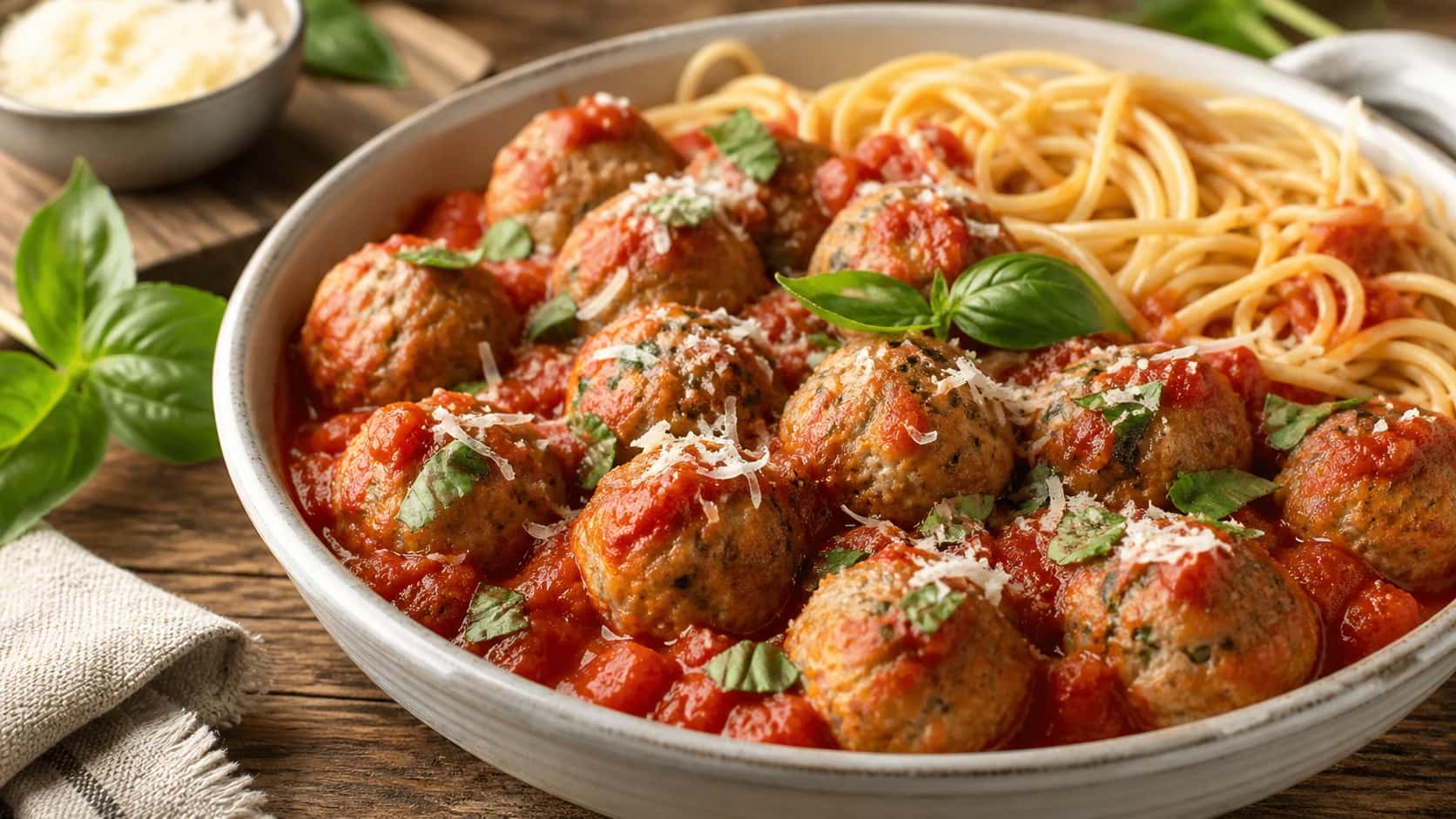
Easy Baked Turkey Meatball Recipe with Tomato Basil Sauce
Make this easy turkey meatball recipe with juicy baked meatballs in bright tomato basil sauce, a fast comforting family dinner ready in just 45 minutes.
Turkey · Prep 15 minutes · Cook 25 minutes

Turkey Sandwich Recipe: Crispy, Juicy Homemade Lunch
This turkey sandwich recipe layers juicy skillet turkey, crisp vegetables, and a bright herb spread on toasted bread for an easy, satisfying lunch.
Turkey · Prep 20 minutes · Cook 14 minutes